№ 01Cooking
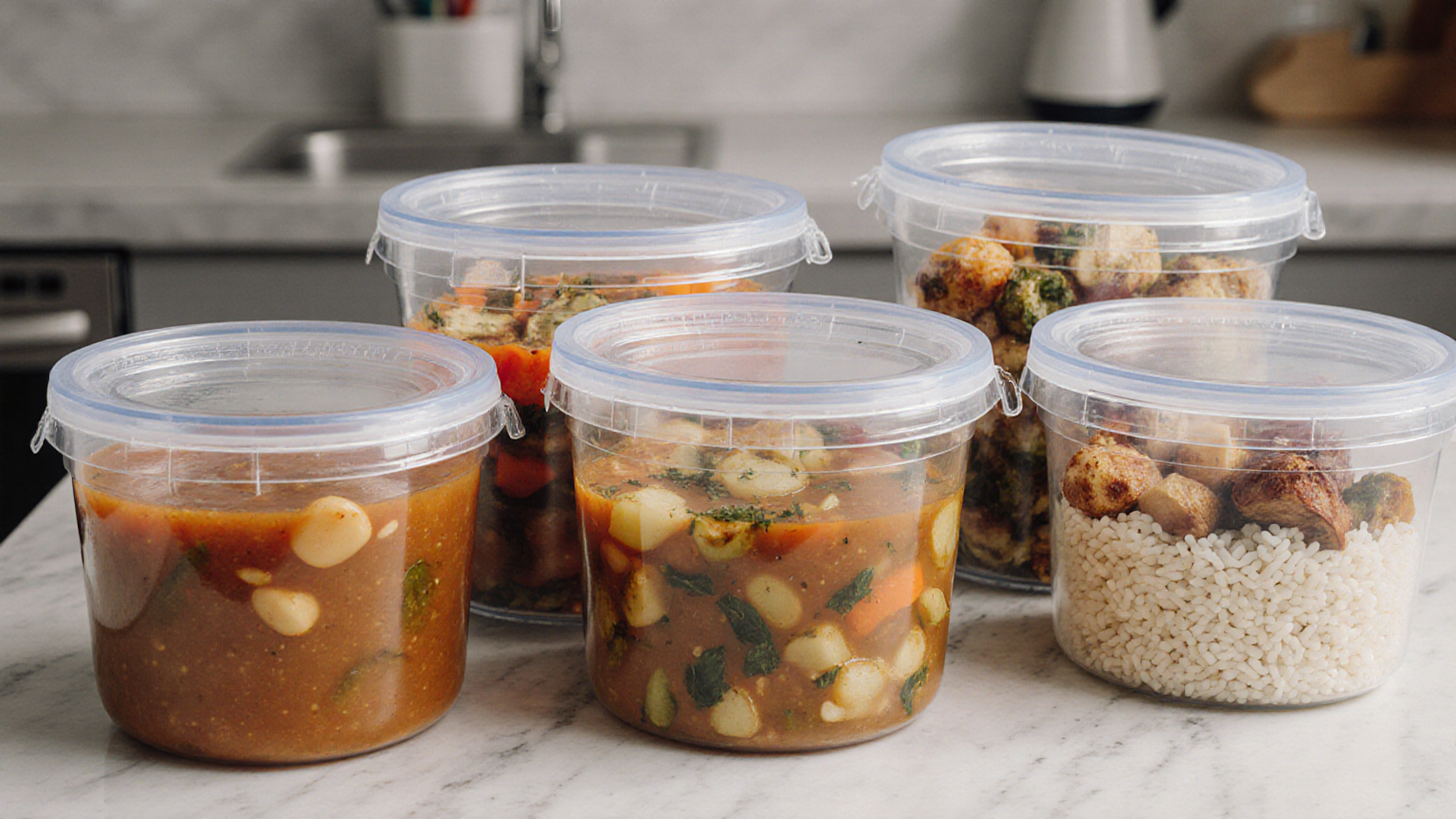
Freezer Inventory and Leftover Labeling Rotation Plan
A food-safety-first freezer system for labeling leftovers, rotating containers, avoiding mystery meals, and planning safer weeknight cooking during 2026.
Read →
¶ Category
13 articles
Every Cooking article on cooknestdaily
A food-safety-first freezer system for labeling leftovers, rotating containers, avoiding mystery meals, and planning safer weeknight cooking during 2026.
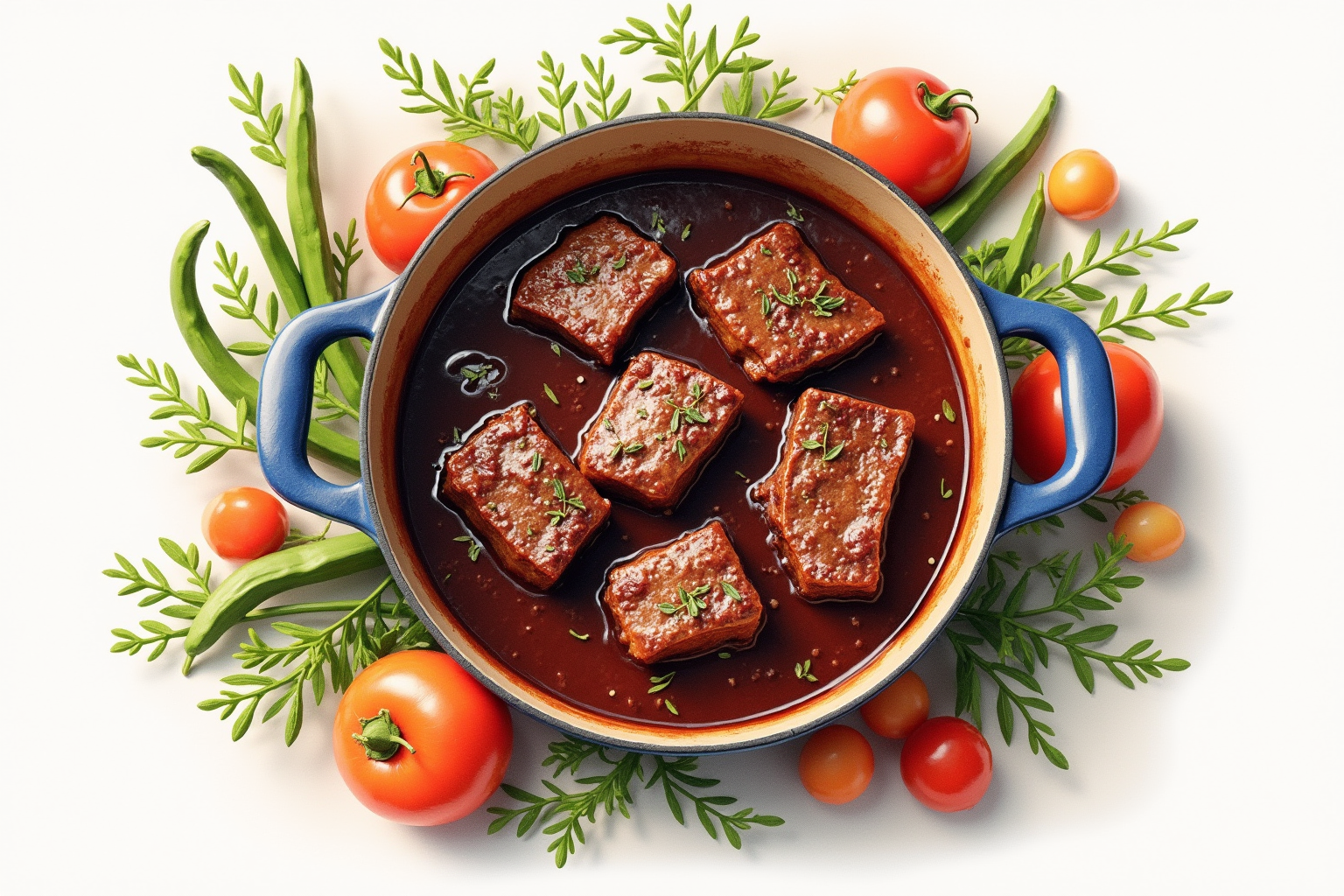
Collagen converts to gelatin at 160-180 degrees Fahrenheit. The 4-hour low-and-slow braise melts connective tissue into silky tenderness. Here is the technique that works.
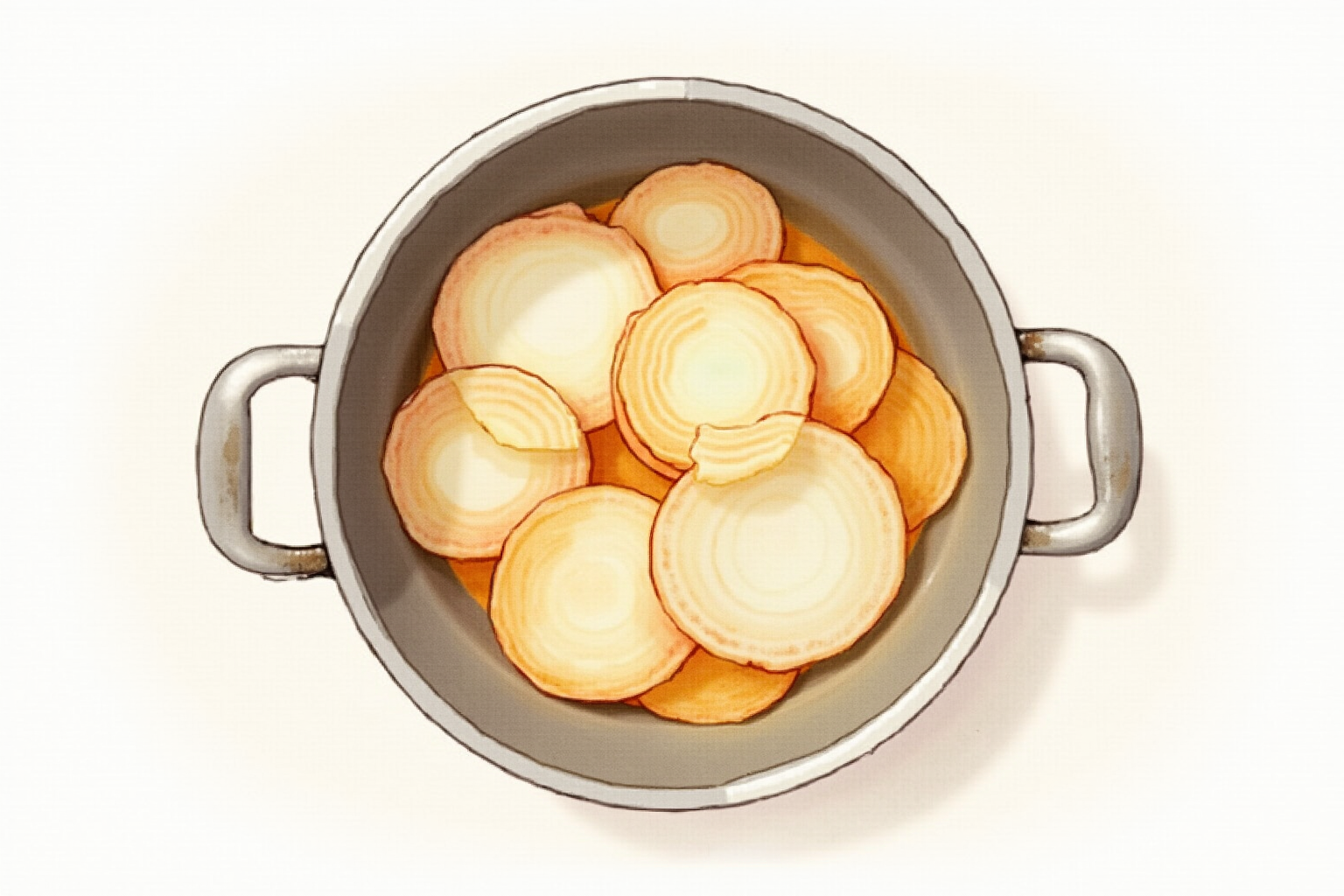
Sugars caramelize between 230 and 360 degrees Fahrenheit. The Maillard reaction starts at 285. Here is the full temperature map of browning chemistry for home cooks.
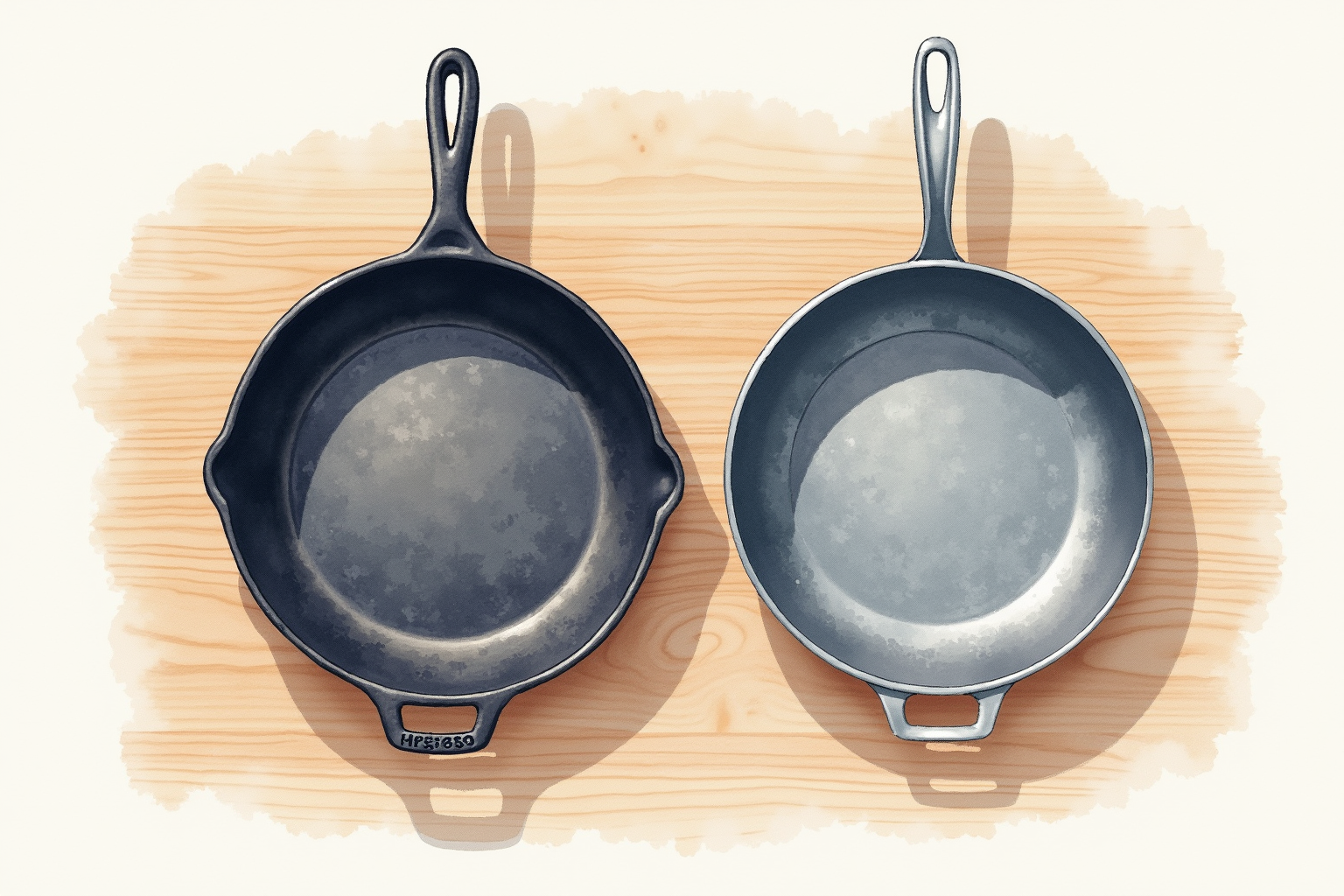
Thermal mass, weight, seasoning chemistry, and searing performance compared between cast iron and carbon steel — the differences that actually affect daily cooking results.
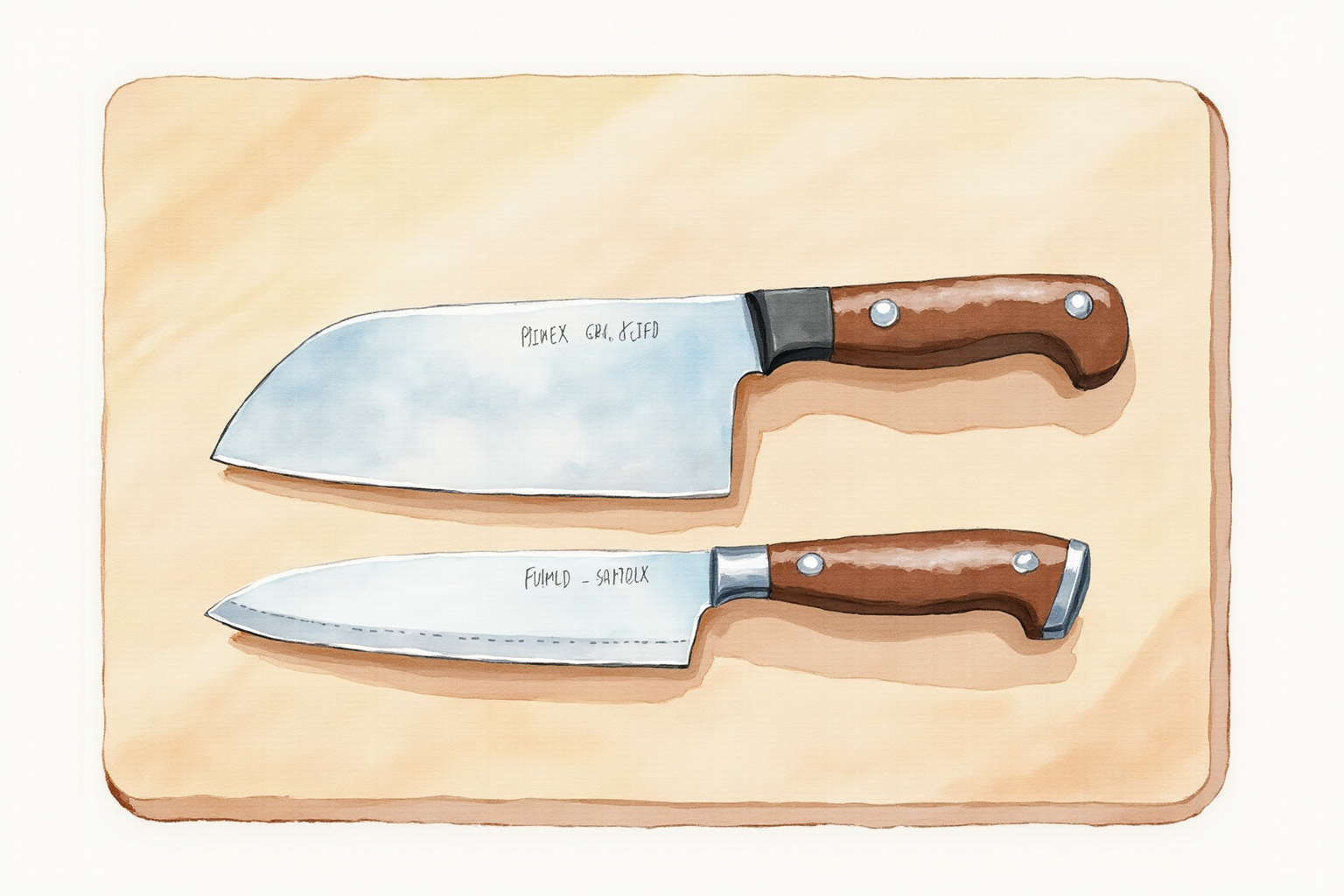
Curved-belly chef knife vs flat-edge santoku, compared on rocking-cut motion, blade geometry, edge angles, and which one fits the average home kitchen — with the maintenance habits that matter.
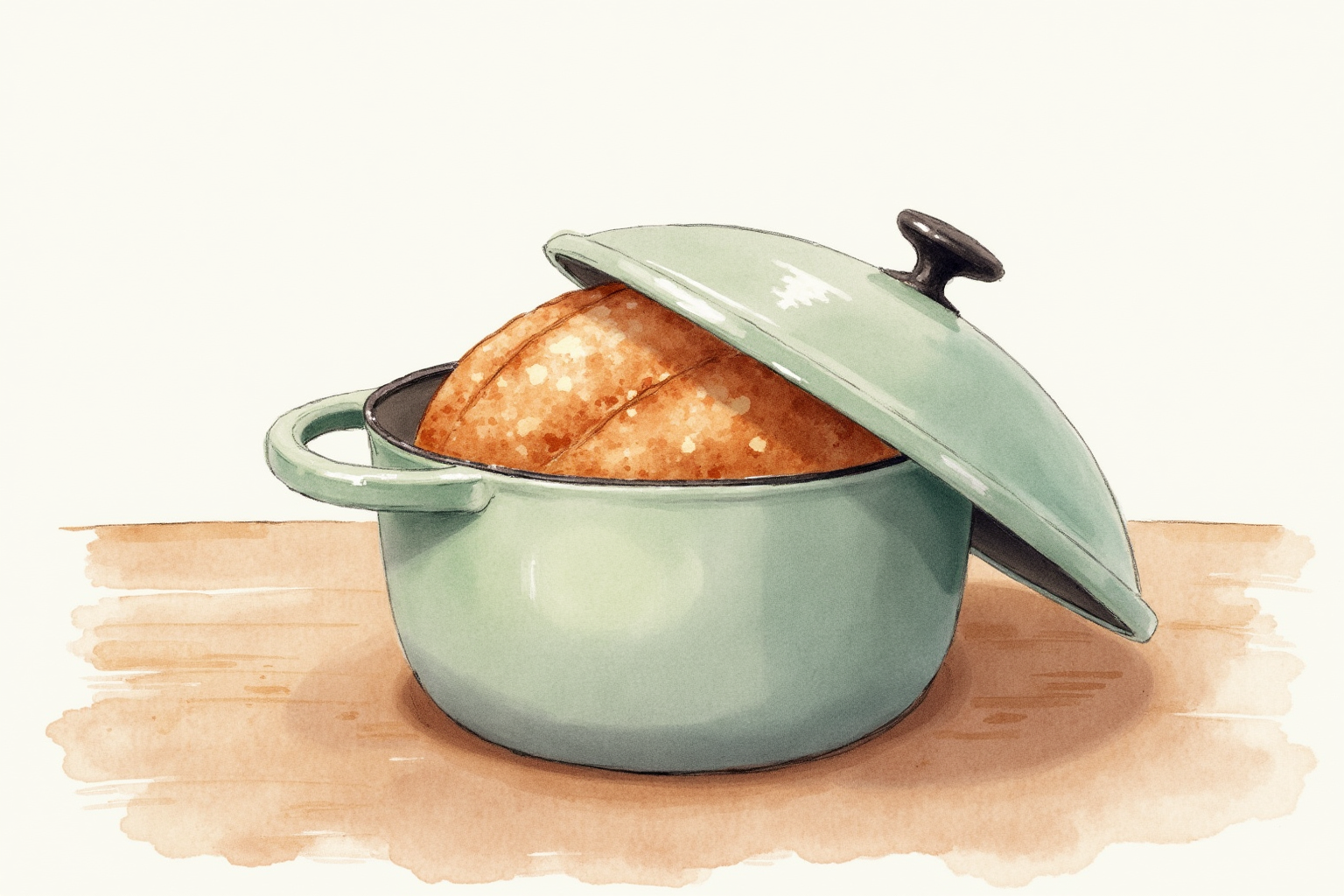
Lahey-style no-knead bread baked in a Dutch oven, with hydration ratios, timing windows, and the crust mechanics that produce a bakery-quality loaf at home.
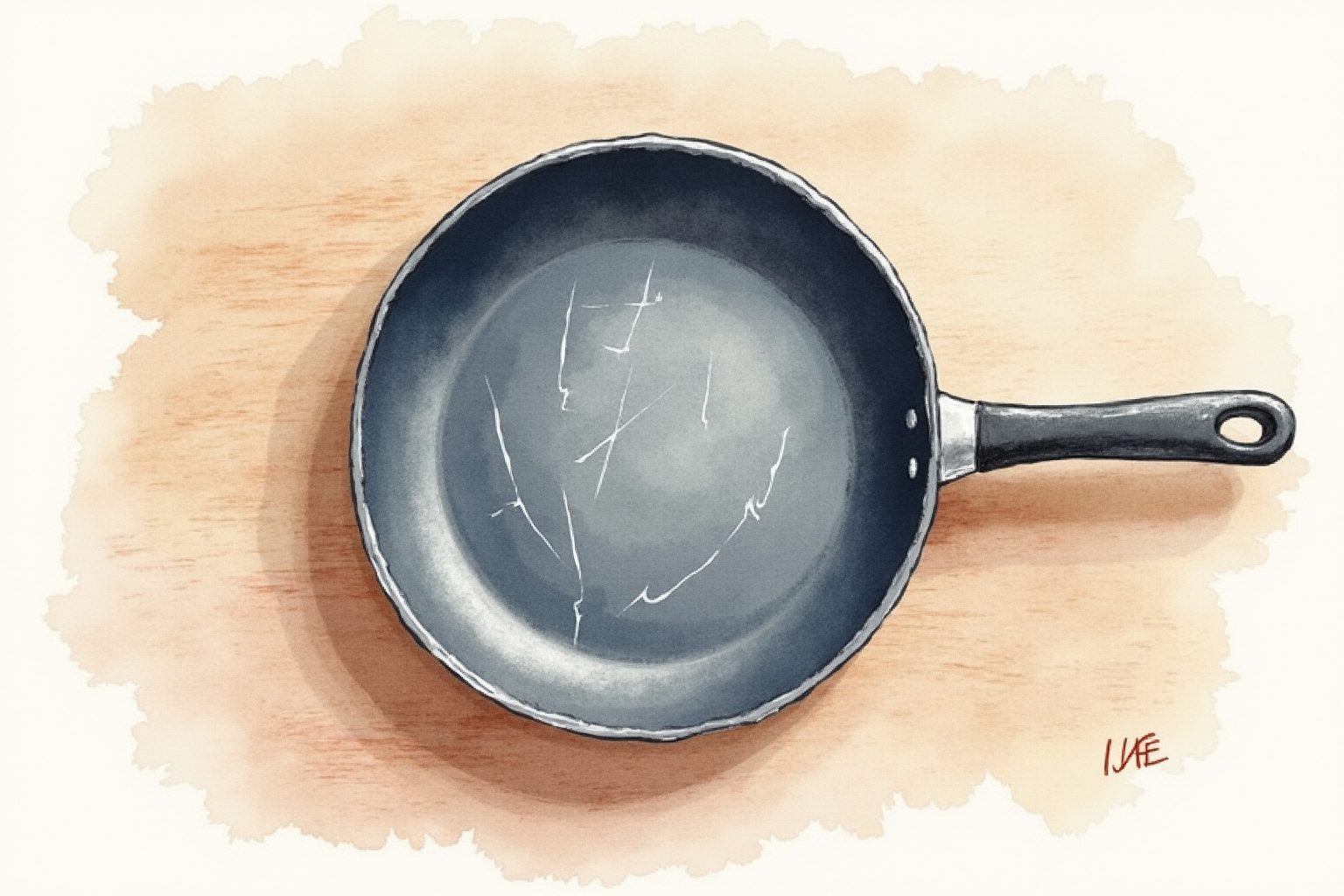
PTFE and ceramic nonstick pan lifespan, replacement signals, and the safety questions that actually matter — based on current FDA and EPA research, not internet panic.
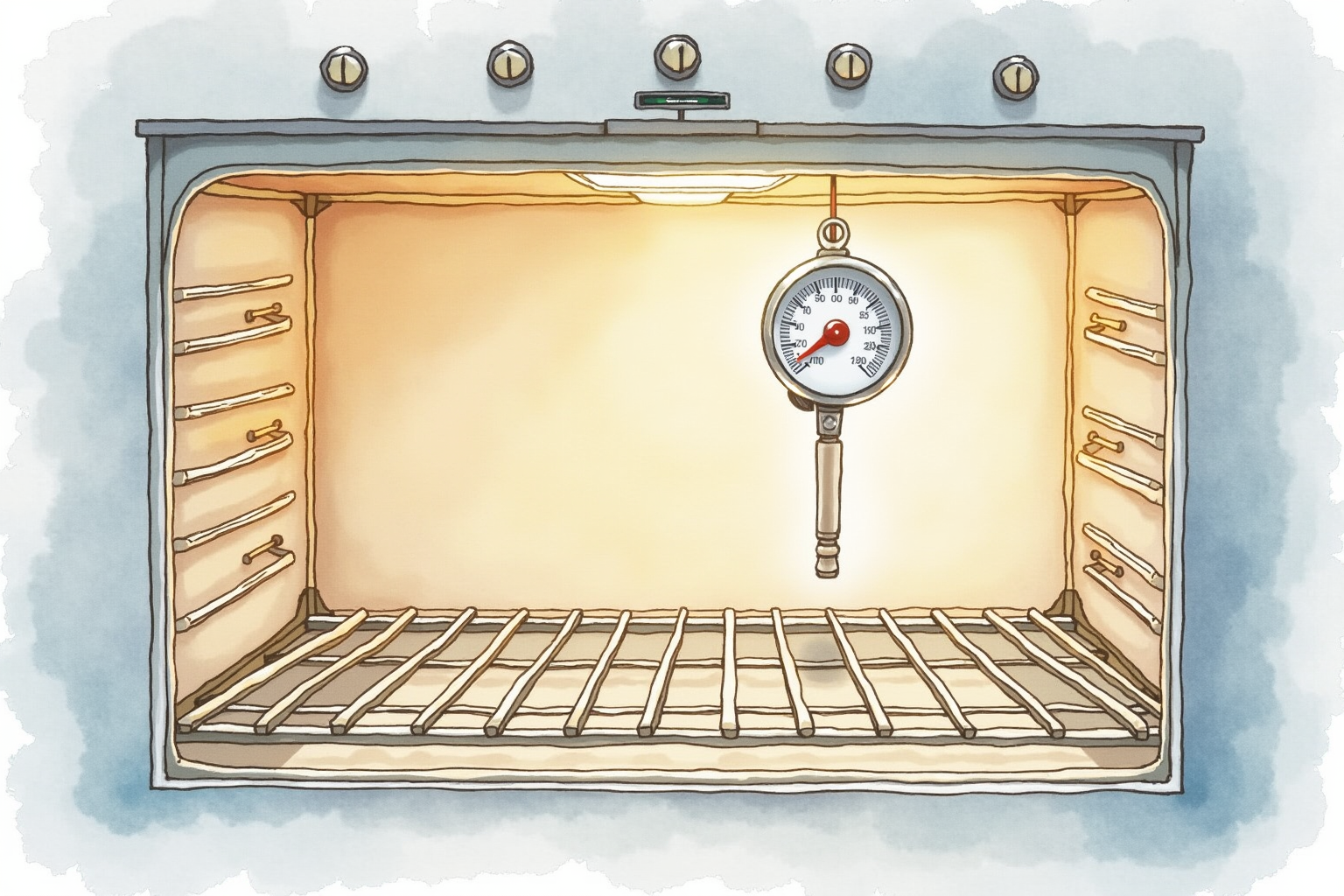
Most home ovens drift 25-50 degrees from the set temperature. A cheap oven thermometer catches the lie and fixes the baking results that depend on knowing actual temperature.
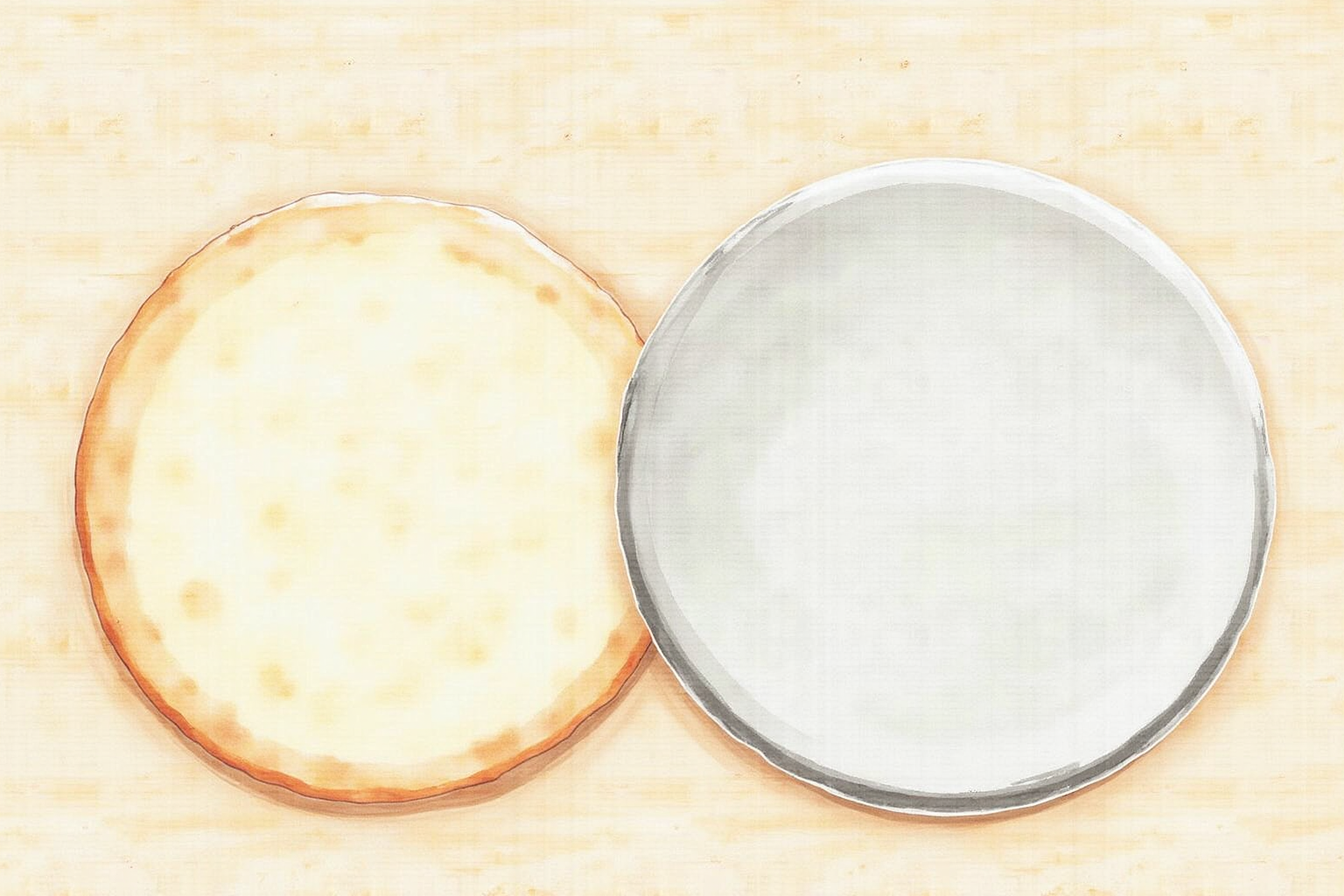
Pizza stone and steel compared on heat retention, crust browning, and the temperatures that actually replicate a wood-fired oven at home.
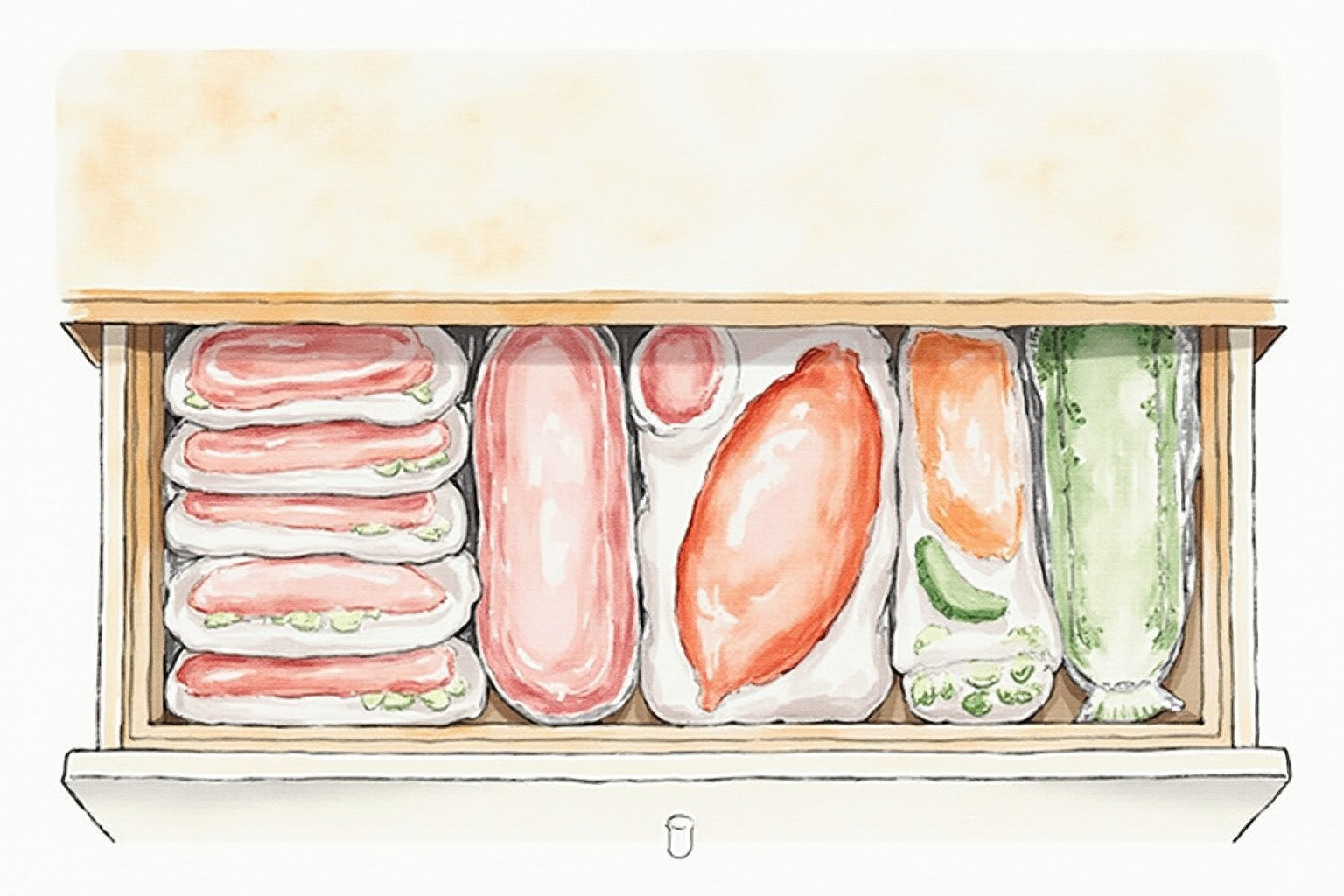
Vacuum sealing extends freezer life from 6 months to 2-3 years by eliminating freezer burn. The mechanism, equipment, and workflow that actually works at home.
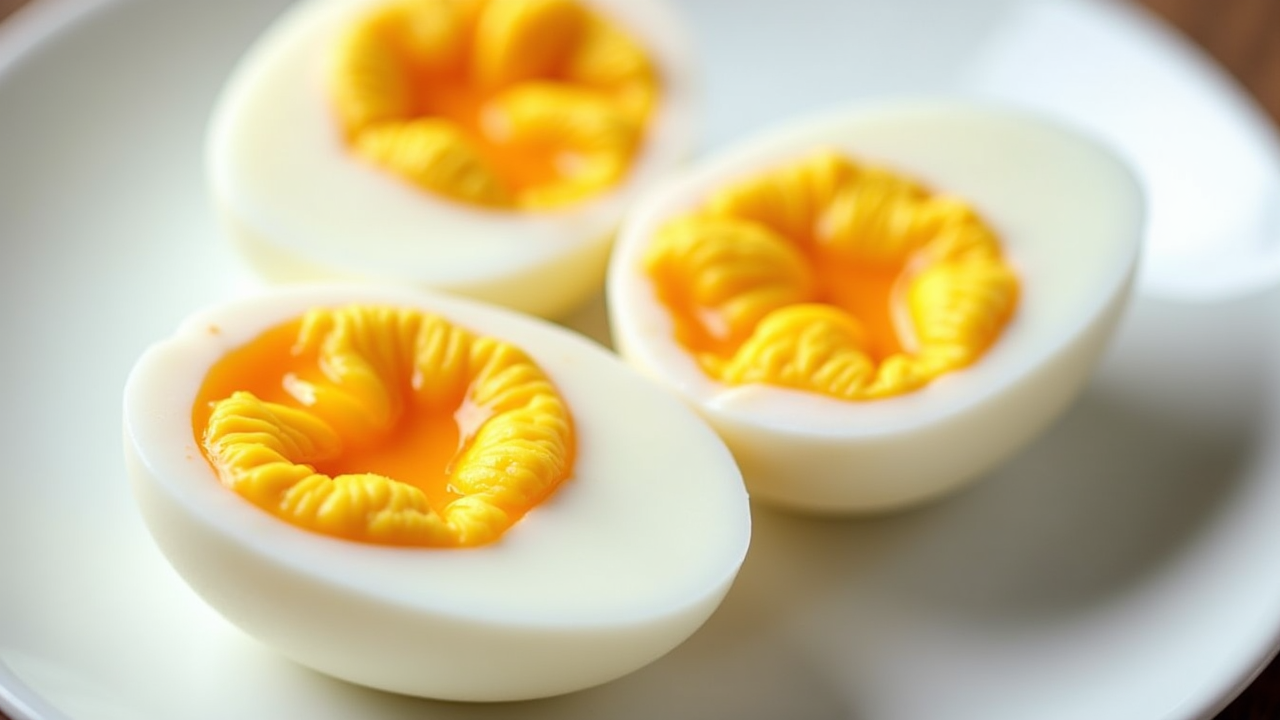
Egg whites set at 62°C. Yolks set at 68°C. The 5-degree window between them is where every shape of cooked egg lives. Here is the full temperature map from sous-vide measurements.
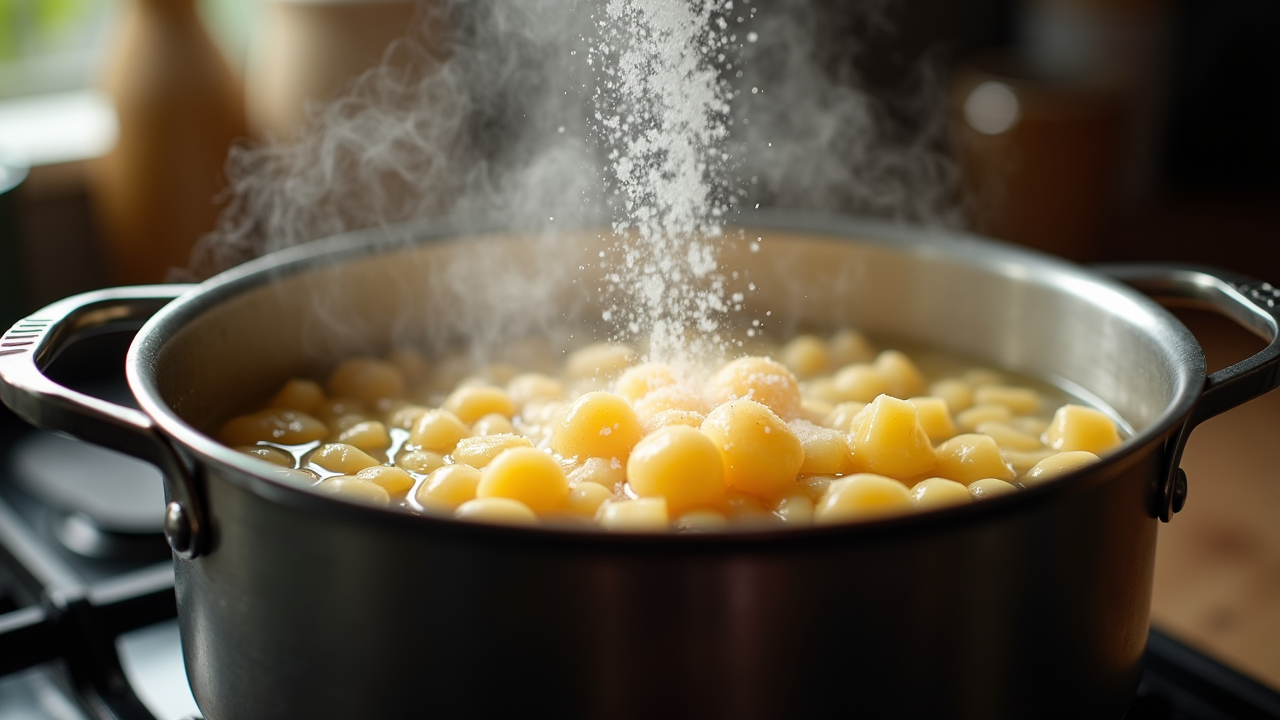
The 'salty as the sea' rule is folklore. Modernist Cuisine measured 1.5%. Cook's Illustrated lab-tested 1.0%. Italian nonnas use 0.7%. Here is what each ratio actually does.
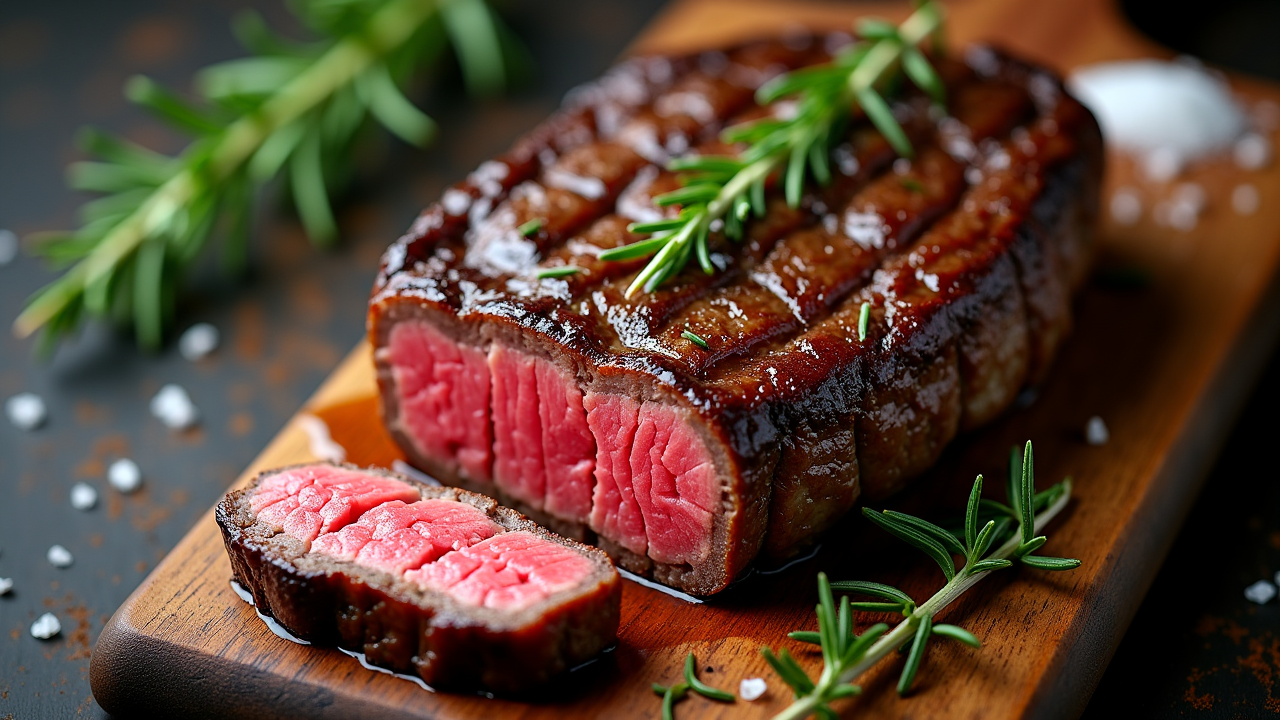
America's Test Kitchen ran the side-by-side test. Serious Eats published the temperature data. The reverse sear wins on edge-to-edge doneness — but only above a certain steak thickness.