Grilled Burger Leftover Reheat Food Safety Plan
A summer food-safety routine for grilling burgers, cooling leftovers, reheating safely, and avoiding cross-contamination at cookouts.
Safety fact check included
CookNest Daily articles surface source counts, timing assumptions, kitchen-test notes, and food-safety caveats. This label means editorial safety review, not a substitute for local food-code or medical guidance.
Burger leftovers are where cookout confidence often gets too casual. The risky moments are not just at the grill; they include the plate that carried raw patties, the utensil that flipped them, the time cooked food sat outside, the depth of the storage container, and whether reheating is treated as a real food-safety step. This guide was checked on 2026-06-21 against USDA FSIS, FoodSafety.gov, CDC, and FDA resources. It is not restaurant HACCP or local health-code advice. When time, temperature, cleanliness, or illness risk is uncertain, choose the conservative discard rule.
Quick decision table
| Situation | Safer choice | Mistake to avoid |
|---|---|---|
| Raw patties go to the grill | Use raw-only tray and utensil, then switch to clean service gear | Putting cooked burgers back on the raw tray |
| Burgers are cooked | Serve small batches and keep extras controlled | Leaving the full platter outdoors all afternoon |
| Leftovers remain | Cool in shallow sealed containers promptly | Stacking hot patties in a deep container |
| Reheating tomorrow | Heat evenly and follow official leftover guidance | Trusting color or smell after unknown time history |
1. Separate raw and cooked paths before the first patty cooks
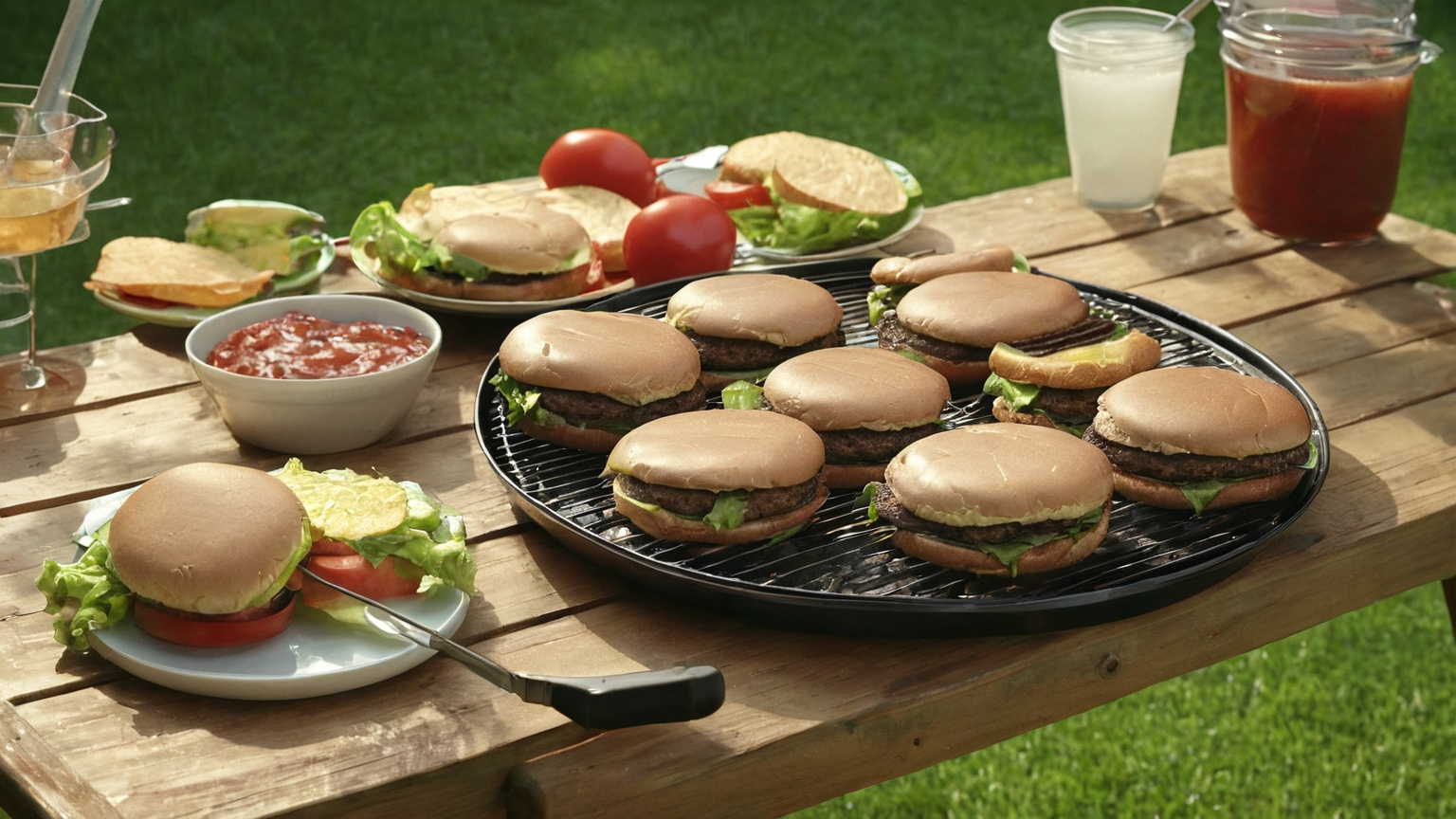
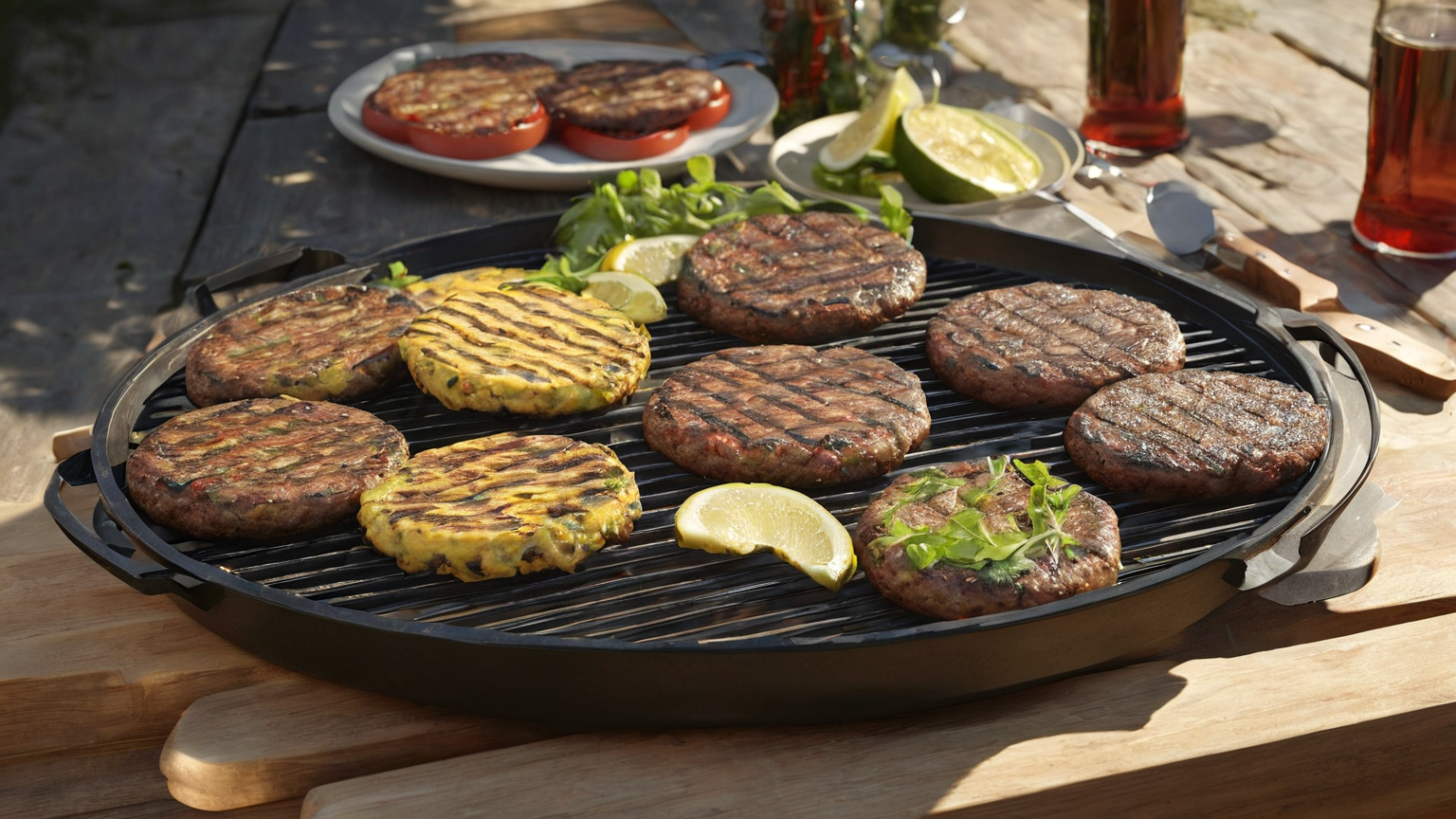
Set out a raw-meat tray, a clean cooked-food platter, separate utensils, hand-cleaning supplies, and shallow storage containers before lighting the grill. The common mistake is solving cross-contamination after hands are messy and guests are waiting. A cooked burger should never return to the plate that held raw patties unless that plate has been thoroughly washed and sanitized according to the household routine.
Use this section as a decision point, not a rigid script. Conditions change by home, road, kitchen, body, weather, equipment, and local rules. The safest version of the plan is the one that lowers risk before the problem becomes urgent, keeps the reader from relying on guesswork, and gives a clear stop condition when the evidence is incomplete.
2. Use temperature guidance without turning images into fake thermometers
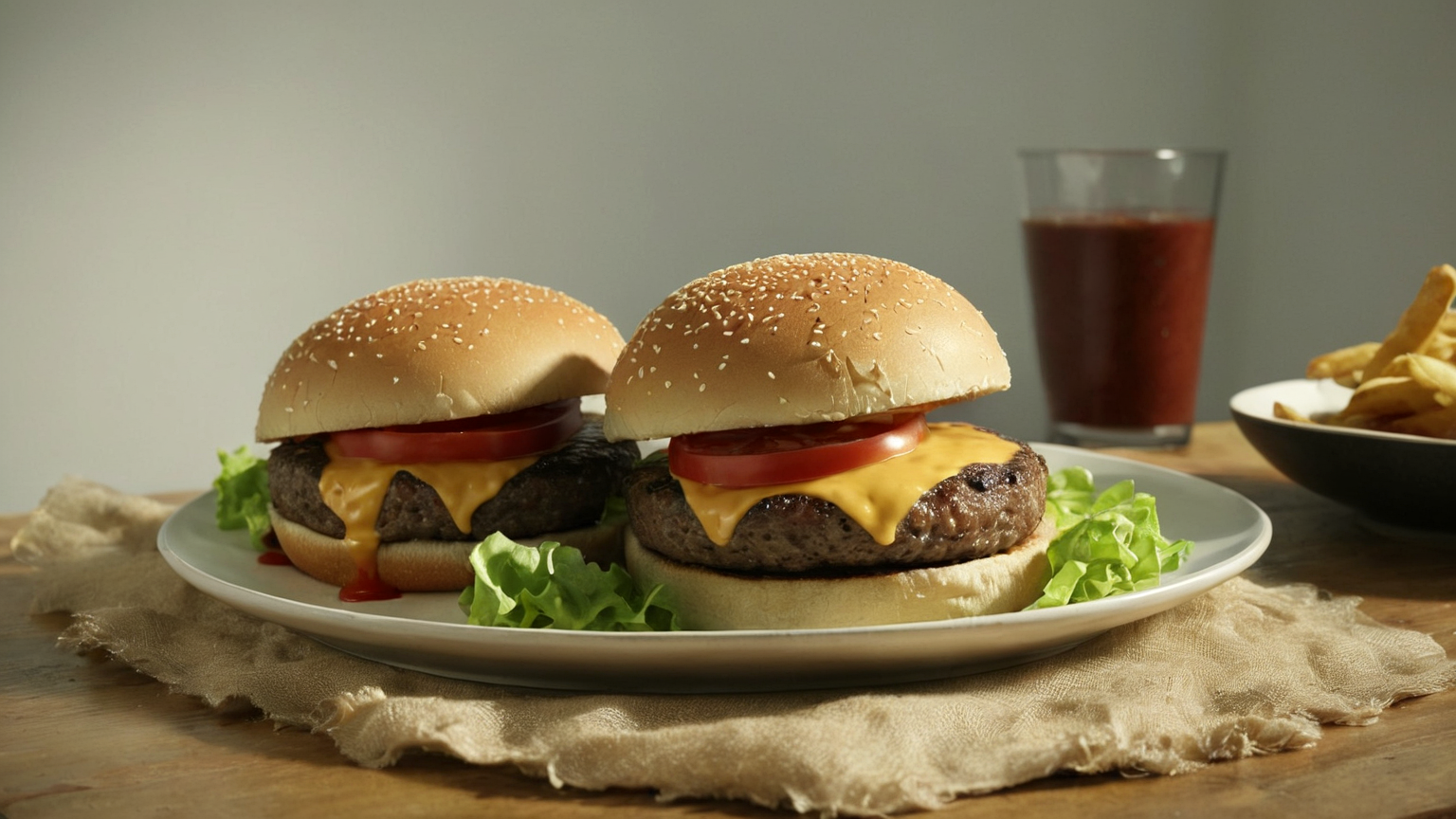
USDA and FoodSafety.gov temperature guidance should live in body text and links, not in AI images with invented numbers. Use a food thermometer according to its instructions and check the thickest part. Color is not a reliable safety test for ground meat. If a patty is mixed with fillings, unusually thick, or cooked from partially frozen, be more conservative because the center can lag behind the outside.
3. Cool leftovers in shallow containers, not in a party pile
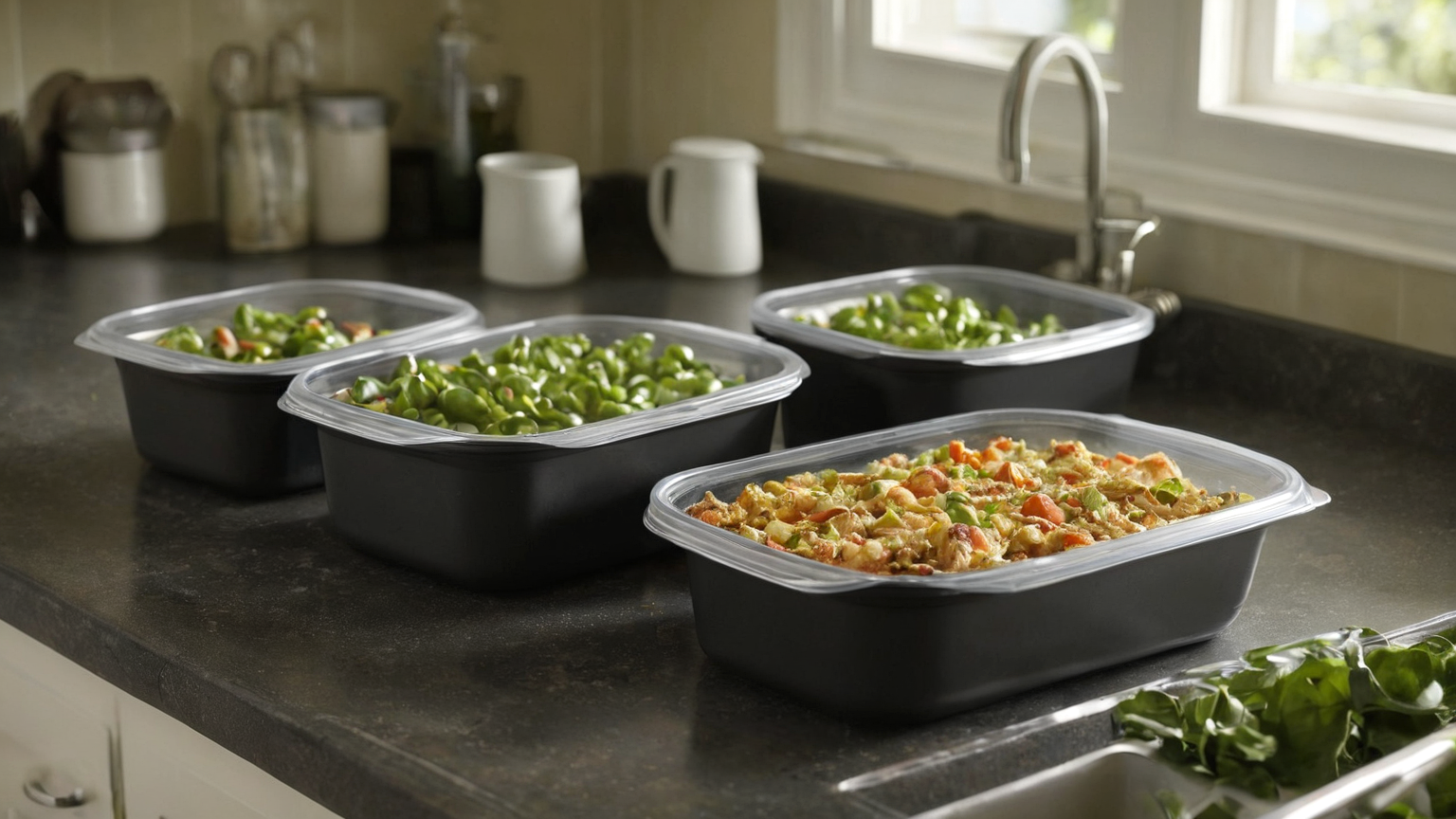
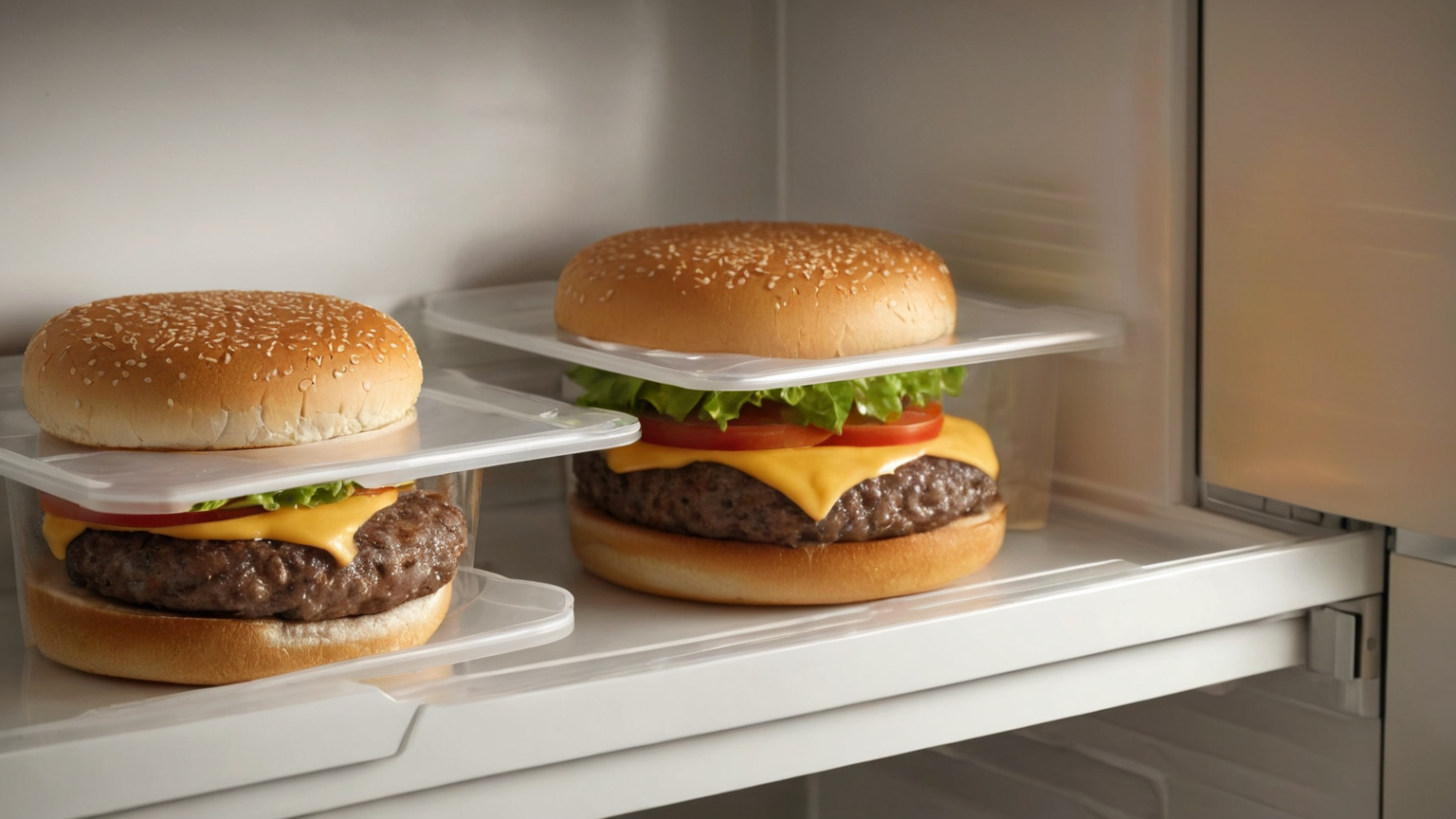
Leftover safety starts before the last guest leaves. Move extra cooked burgers into shallow clean containers and refrigerate promptly instead of stacking a warm mountain of patties in a deep bowl. Separate buns, toppings, and sauces so wet lettuce or shared utensils do not contaminate the main protein. If the food sat out through a long hot event, do not reset the clock by chilling it later.
4. Reheat for safety and quality together
Reheating is not just warming the outside. Use a method that heats evenly, such as a covered skillet, oven, or microwave with rest time and rotation, and follow official leftover guidance. Add moisture if needed for quality, but do not let taste goals override discard rules. If the burger smells fine but the time history is unknown, smell is not enough evidence.
5. Design cookouts for higher-risk guests
Older adults, pregnant people, young children, and immunocompromised guests deserve a wider safety margin. Serve smaller batches, keep extra food cold until needed, label containers with plain written notes outside the article workflow if useful, and avoid making one shared platter responsible for the whole event. Good cookout planning is hospitality, not fear.
Implementation checklist
- Check the official source or alert before relying on memory.
- Prepare the space, tools, route, or storage container before the risky step begins.
- Choose the lower-risk option when heat, time, moisture, fatigue, traffic, or cleanliness is uncertain.
- Keep warnings and thresholds in accessible text rather than embedded image text.
- Re-check after the activity: recovery, leftovers, route safety, moisture, or equipment condition.
- Do not add affiliate products unless a product is genuinely necessary for reader safety or implementation.
- Save the one lesson that will make the next attempt easier.
Example mini-scenarios
Scenario one: the reader has the right general plan but the conditions are worse than expected. The answer is not to force the original plan; it is to keep the useful goal and reduce the risky variable. That may mean a lighter training session, a smaller cookout batch, a shelter stop before a storm, or filter maintenance before the hottest part of the day.
Scenario two: the reader has incomplete information. Maybe the leftover time is unknown, the weather alert moved, the room humidity is higher than expected, or the athlete slept poorly. Incomplete information should widen the safety margin. The article’s tables are designed to make that choice feel normal rather than like a personal failure.
Scenario three: convenience competes with safety. A shortcut may save ten minutes, but it can create a much larger problem: foodborne illness, heat stress, a dangerous roadside decision, electrical risk, or a stalled training block. The better routine makes the safe action easier to repeat.
Source notes and limitations
The linked sources are used to set conservative decision boundaries, not to create medical, legal, electrical, restaurant, emergency-management, or mechanical instructions. Product manuals, local alerts, recalls, clinicians, emergency responders, building staff, and qualified professionals can override this general planning guide.
FAQ
Why does the article avoid exact numbers inside images?
Generated images can distort text, numbers, labels, and interfaces. Safety-critical details belong in source-backed body text, tables, and official links where readers and screen readers can inspect them clearly.
What if my situation is more complicated than the table?
Use the table as a conservative starting point, then choose the lower-risk option. A professional, official alert, product manual, local rule, or emergency instruction should override this general guide.
Practical planning worksheet
This section was added on 2026-06-26 after a sitewide quality review. The goal is to make Grilled Burger Leftover Reheat Food Safety Plan more useful than a short reminder list: it should help a reader decide what to do, what to measure, and when to stop. For this topic, the main risk is that raw juices, marinades, tongs, platters, and thermometer probes can move bacteria to ready-to-eat food. The safe response is not a vague promise to “be careful”; it is to separate raw and cooked equipment, verify doneness with a thermometer, and clean the probe and work area between foods.