Fridge Temperature and Leftovers: A Safer Weekly Kitchen Routine
A 2026 food-safety guide to refrigerator temperature, leftover cooling, storage order, reheating, and discard decisions for busy home kitchens.
Safety fact check included
CookNest Daily articles surface source counts, timing assumptions, kitchen-test notes, and food-safety caveats. This label means editorial safety review, not a substitute for local food-code or medical guidance.
A safe refrigerator is a workflow, not just a cold box. Leftovers become easier and safer when you cool food promptly, use shallow containers, keep raw and ready-to-eat foods separated, reheat thoroughly, and decide in advance when mystery containers leave the kitchen. This guide was reviewed on May 30, 2026 using CDC food-safety pages plus USDA and FoodSafety.gov references; official food-safety pages may block automated checks, so readers should verify local guidance directly when in doubt.
Weekly refrigerator routine
| Moment | Action | Mistake to avoid |
|---|---|---|
| After cooking | Divide into shallow containers | A deep pot cooling for hours |
| Before storing | Label meal and date | Mystery leftovers |
| Daily | Keep ready-to-eat food above raw items | Drips and cross-contact |
| Reheating | Heat thoroughly and stir dense foods | Hot edges, cold middle |
| Cleanout | Discard questionable food | Smell-testing risky meals |
Temperature starts with attention
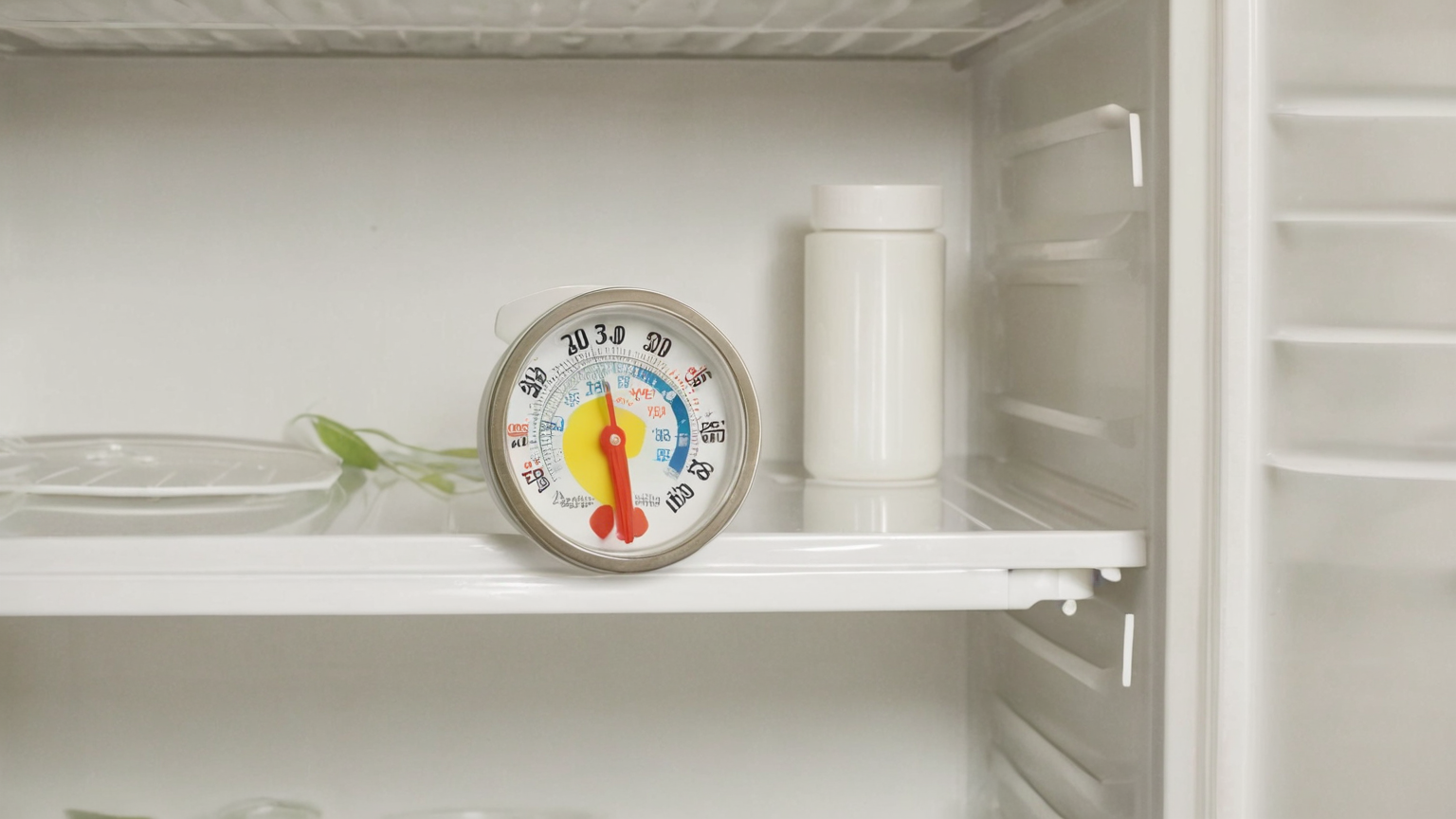
Use a refrigerator thermometer if your fridge has warm spots or heavy door traffic. Do not rely only on a dial with vague settings. Keep the door closed during long cooking sessions, avoid overpacking vents, and move food that must stay cold back quickly after serving. If the fridge seems inconsistent, fix the appliance issue before building an ambitious meal-prep system around it.
Cool leftovers in smaller portions
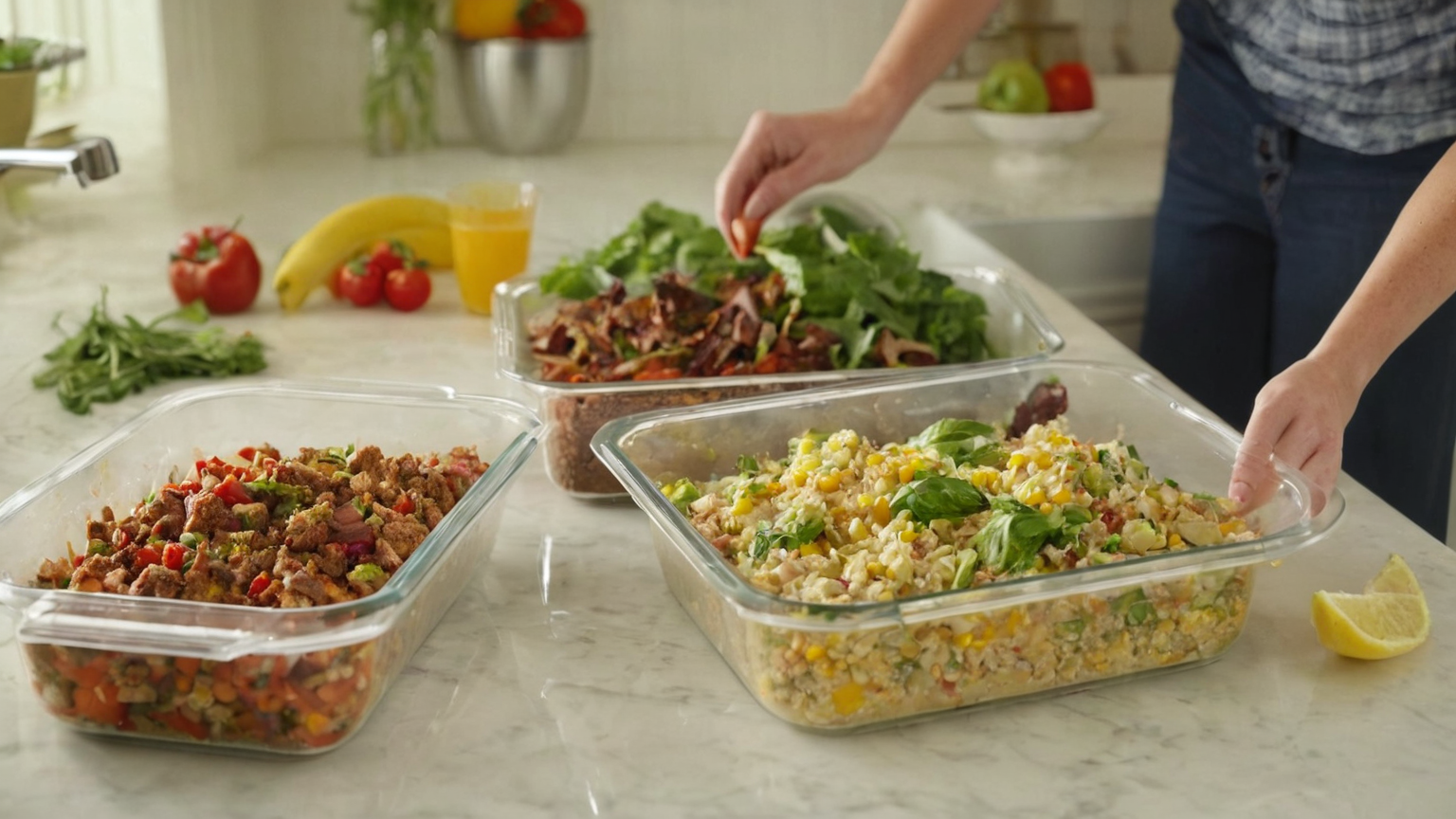
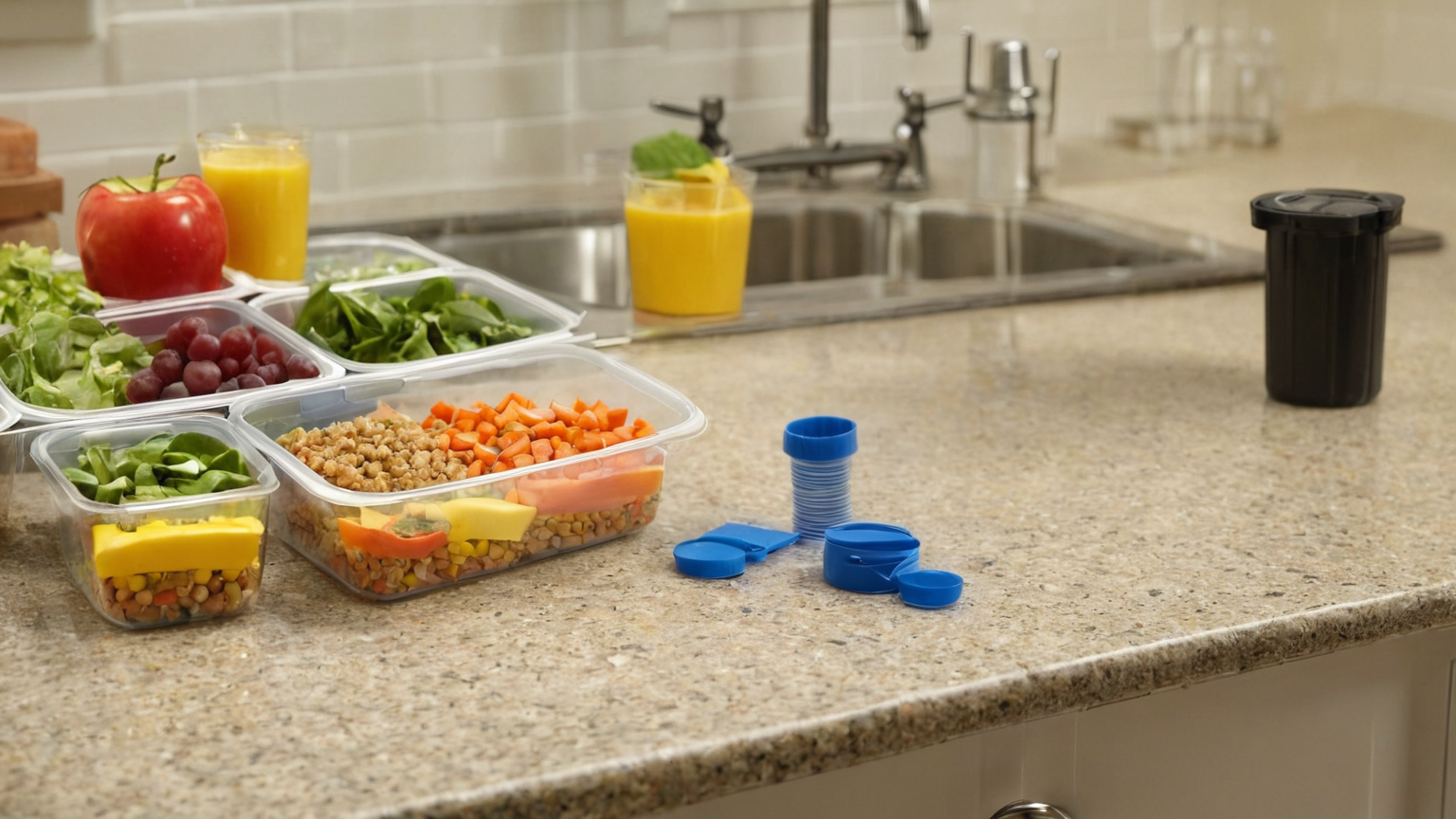
Large dense foods cool slowly. Split soups, stews, rice dishes, casseroles, cooked beans, and proteins into shallow containers so cold air can work. Vent briefly when steam is intense, then cover and refrigerate. The goal is not fancy storage; it is reducing time in the zone where bacteria can multiply.
Store by risk, not by aesthetics
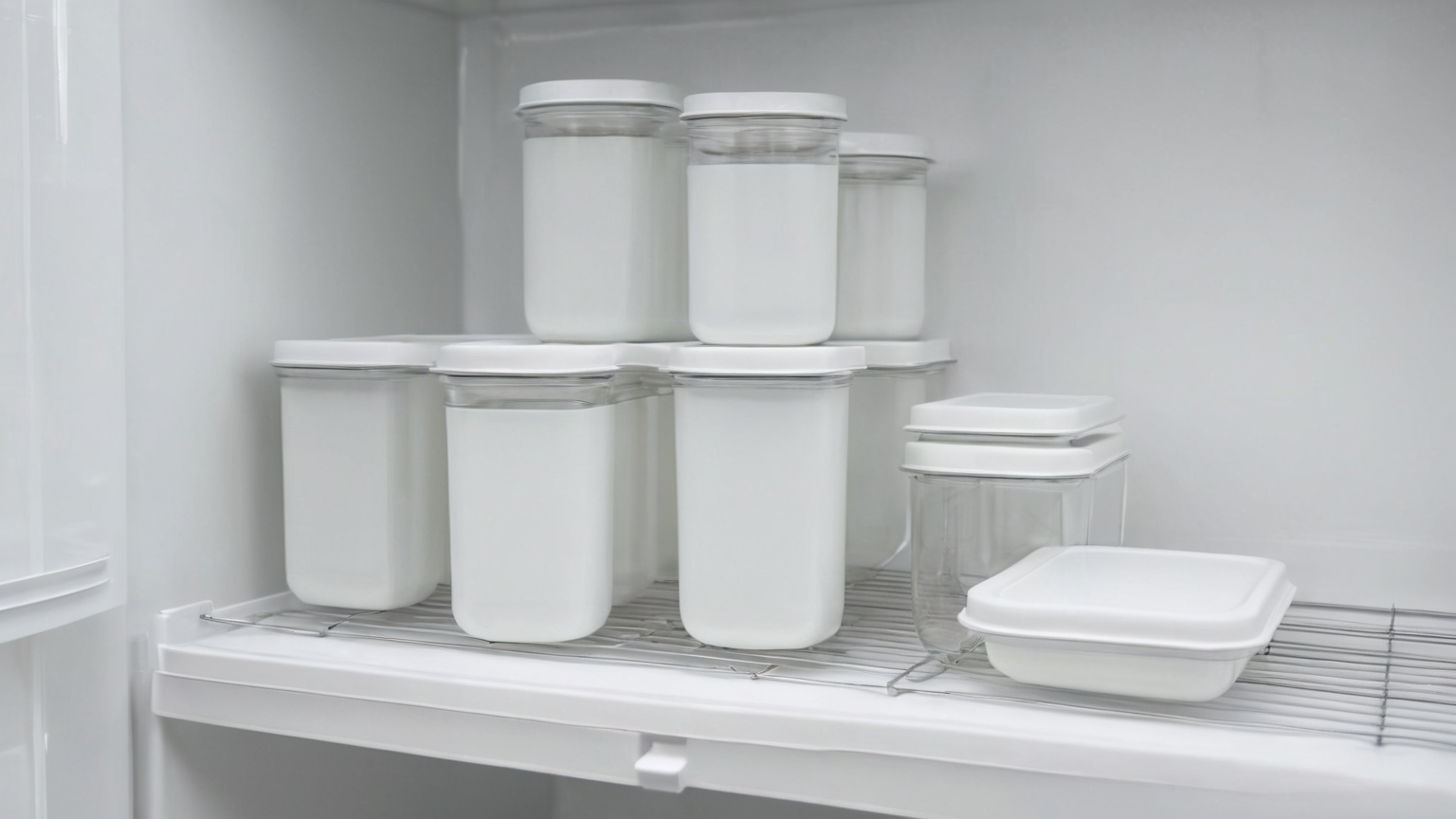
Ready-to-eat foods, washed produce, and cooked leftovers should not sit below raw meat or leaking packages. Put raw items in trays or sealed bins, keep leftovers visible, and rotate older containers forward. A beautiful fridge photo is less important than a boring fridge that prevents cross-contamination and makes decisions obvious.
Reheat before you rescue texture
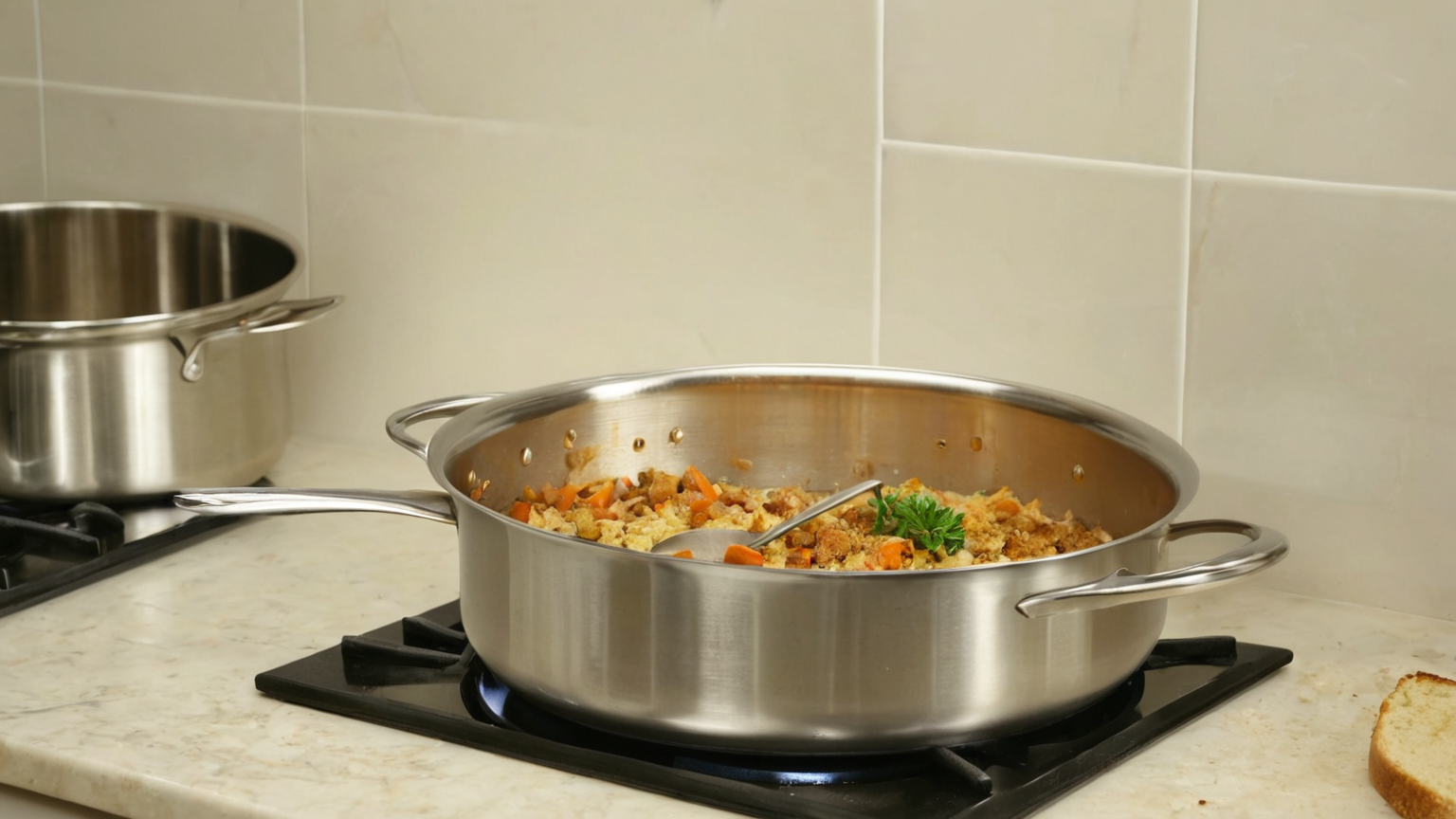
Many leftovers taste disappointing because people try to crisp or garnish them before they are hot throughout. Reheat sauces, soups, grains, and casseroles thoroughly first, stirring where practical. After that, fix texture with a skillet, broiler, splash of stock, fresh herbs, acid, or a crunchy topping.
The cleanout decision tree
- Is it unlabeled and you cannot identify it? Discard.
- Was it left out during a long party or commute? Discard.
- Does the container smell wrong, look moldy, or feel slimy? Discard.
- Is it a high-risk food for a pregnant, older, immunocompromised, or very young person? Be more conservative.
- Is it safe but dull? Reheat thoroughly, then refresh flavor.
A practical Sunday setup
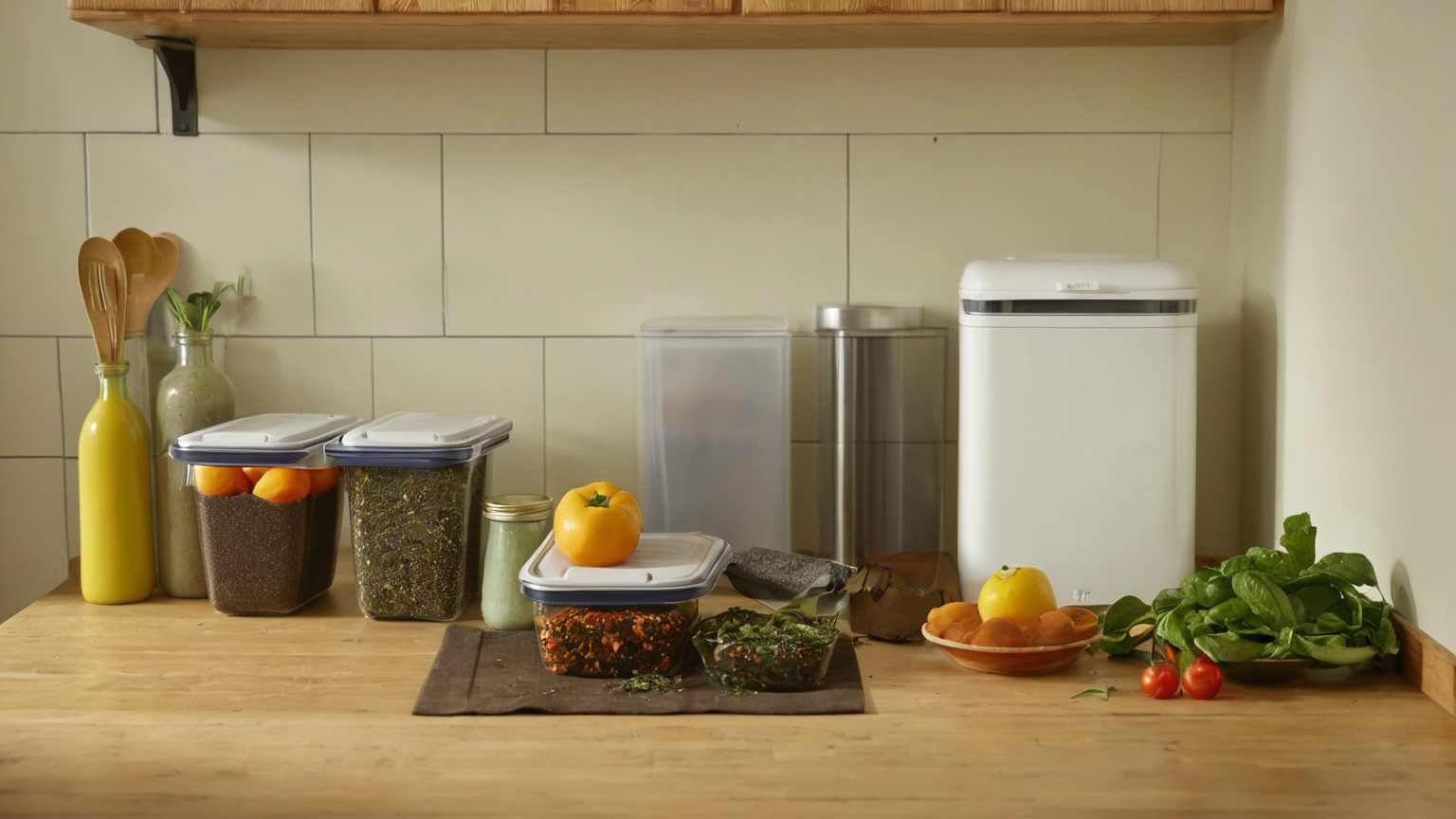
Choose three container sizes, keep blank tape nearby, and label before food enters the fridge. Put a small “eat first” area at eye level. During the week, make one leftovers meal on purpose so containers do not become a guilt museum. If you freeze meals, label reheating notes before the food becomes an anonymous block.
FAQ
Can I trust smell alone?
No. Smell can catch obvious spoilage, but it cannot prove safety. Time, temperature, handling, and risk group matter.
What if my fridge is crowded?
Prioritize airflow, raw-food containment, and visible leftovers. Crowding is a planning signal: cook less, freeze earlier, or clean out before shopping.
Bottom line
A safer leftover routine is simple: chill fast, separate risks, label clearly, reheat fully, and discard without negotiation when the history is unknown.
2026 AdSense quality update: how to use this guide in a real kitchen
This section was added on 2026-06-26 after a sitewide quality review. The goal is to make Fridge Temperature and Leftovers: A Safer Weekly Kitchen Routine more useful than a short reminder list: it should help a reader decide what to do, what to measure, and when to stop. For this topic, the main risk is that refrigerator doors, crowded shelves, outage recovery, and deep containers make temperature history uncertain. The safe response is not a vague promise to “be careful”; it is to use a thermometer, keep 40°F/4°C as the refrigerator target, cool in shallow containers, and discard food when time or temperature is unknown.
Use the guide as a kitchen workflow, not as medical advice. If someone is already ill, has a high-risk immune status, is pregnant, is an older adult, or is feeding young children, use official food-safety guidance and professional medical advice rather than experimenting with borderline food.
Decision workflow for cold storage and leftovers
| Checkpoint | What to verify | Safer default | Evidence to keep |
|---|---|---|---|
| Before cooking | Is the ingredient cold, separated, and within date? | Start with clean hands, a clean board, and a clean tool set. | Package date, refrigerator temperature, or shopping time. |
| During prep | Can raw juices or dirty water reach ready-to-eat food? | Separate raw, cooked, and produce zones before the counter gets busy. | Which board, knife, plate, and towel were used. |
| During cooking or holding | Is there a measurable temperature or time control? | Use a thermometer, timer, shallow container, or cooler plan instead of memory. | Internal temperature, discard time, or cooling start time. |
| Serving | Will guests open, touch, or move the food repeatedly? | Serve smaller portions and refill from a controlled hot/cold source. | Time the first serving dish left the refrigerator, grill, or oven. |
| Leftovers | Do you know the time and temperature history? | Refrigerate promptly; discard when the history is unclear. | Container label with date and food name. |
| Cleanup | Could residue move to tomorrow’s food? | Wash, sanitize where appropriate, and air-dry before storage. | Tool or surface that needs a second pass. |
Three common failure scenarios
- The schedule slips. Guests arrive late, errands take longer than expected, or a storm changes the plan. When timing changes, reset the food-safety clock instead of stretching it. Move food back to controlled temperature, or write a new discard time.
- The workspace gets crowded. Phones, towels, packaging, pets, and drink cups enter the prep area. Clear one clean landing zone for ready-to-eat food and keep raw-food tools visibly separate.
- A food looks fine but the history is unknown. The dangerous version is guessing by smell, relying on a door shelf for fragile foods, or tasting questionable leftovers. Smell, color, and texture are not reliable safety tests. When the time/temperature history is missing, discard the food.
Household checklist
- Put a refrigerator thermometer where it can be seen without moving food.
- Keep at least one instant-read thermometer clean and easy to reach.
- Use shallow containers for dense leftovers and label the date.
- Keep raw-meat boards, produce boards, and serving platters visually different.
- Decide the discard rule before cooking begins, not after everyone is tired.
- Re-check official sources when cooking for high-risk people or large groups.
Why this page exists
Many food-safety articles repeat the same four words—clean, separate, cook, chill—without showing the handoffs where people actually fail. CookNest Daily articles now include the handoff: what to measure, what to separate, what to label, and what to discard. That is the value this page adds for readers preparing a real meal.
Reader worksheet: turn the advice into a one-meal plan
Before applying this article, write a four-line plan on paper or in a kitchen note. The first line is the food and the person responsible. The second line is the measurable control for this cold-chain workflow: appliance thermometer reading, container depth, cooling start time, and discard rule. The third line is the moment when the food changes status, such as leaving the refrigerator, reaching the grill, being cut, being packed, or being served. The fourth line is the discard or escalation rule.
That small note matters because most food-safety failures are not caused by ignorance of the rule. They happen when two people assume the other person started the timer, checked the thermometer, separated the platter, or moved the food back to the refrigerator. A written handoff also helps if you are cooking for guests, children, older adults, pregnant people, or anyone with a higher risk from foodborne illness.
For a single-person household, keep the note simpler: date, food, container, and next safe use. For a shared household, add owner and shelf location. For a party or outdoor meal, add the time the food left temperature control and the person allowed to discard it without debate. The goal is to remove social pressure from the decision. If the rule says discard, the host should not need to negotiate with a guest who says it “still looks fine.”
Use this worksheet with the official-source links above. If the official page gives a more specific number for your food, appliance, or situation, follow that source over a generic summary. CookNest Daily intentionally keeps the stop points visible because AdSense-quality food content should help a reader make a safer decision, not just repeat keywords.