Potluck Slow Cooker Transport Food Safety Plan
A practical food-safety plan for cooking, transporting, holding, serving, cooling, and reheating slow-cooker potluck foods.
Safety fact check included
CookNest Daily articles surface source counts, timing assumptions, kitchen-test notes, and food-safety caveats. This label means editorial safety review, not a substitute for local food-code or medical guidance.
Slow cookers make potlucks easier, but the risky parts usually happen after cooking: unplugged transport, long buffet service, shared utensils, deep leftovers, and casual reheating. This guide gives home cooks a conservative plan for foods that need to stay hot, cold items that need a cooler, and leftovers that should not sit on the table just because the party is still going.
Potluck slow-cooker food-safety decision table
| Situation | Safer choice | Mistake to avoid |
|---|---|---|
| Dish is still cooking when it is time to leave | Finish cooking before transport or choose a different dish | Counting travel time as part of cooking |
| Buffet will last for hours | Serve smaller portions and refill from controlled storage | Leaving the full insert out for the whole event |
| Guests include pregnant, older, very young, or immune-compromised people | Use conservative holding and offer clearly safer options | Assuming every guest has the same risk tolerance |
| Leftovers are deep in one large container | Divide into shallow covered containers promptly | Putting a hot deep crock directly into the refrigerator |
1. Start with fully cooked food, not a warm-up shortcut
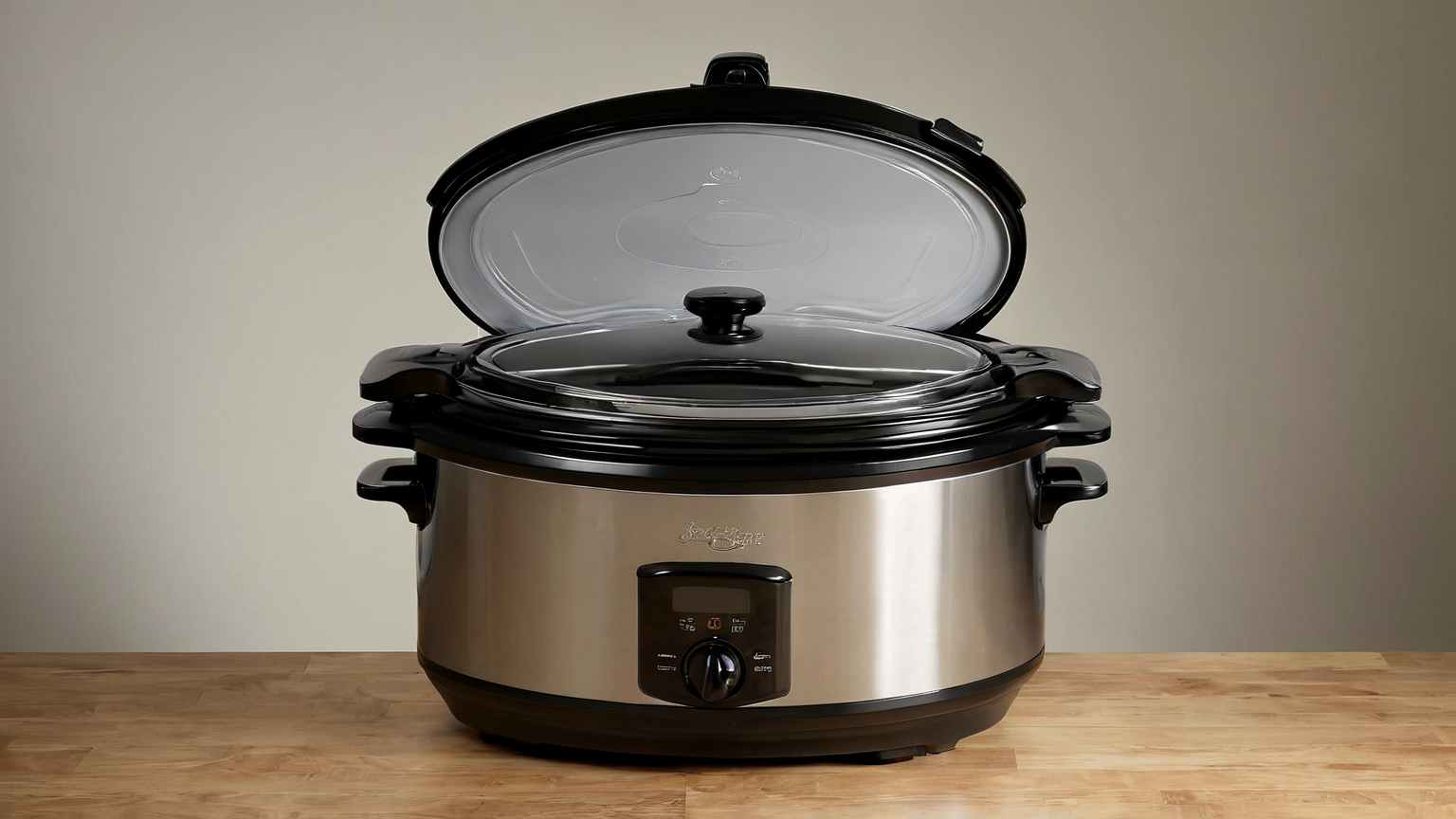
A slow cooker is not a magic safety device during transport. Food should reach its safe cooking target before it leaves the kitchen, and the cooker should be preheated according to the recipe and manufacturer instructions. For meats, poultry, casseroles, beans, sauces, and mixed dishes, use the official temperature guidance that matches the ingredient rather than relying on color or smell.
If the dish is not done when the car is leaving, the safest answer is not to gamble. Finish it, bring something else, or tell the host you will arrive later. That protects guests and also protects the host from managing an unsafe dish.
2. Transport with time and temperature in mind
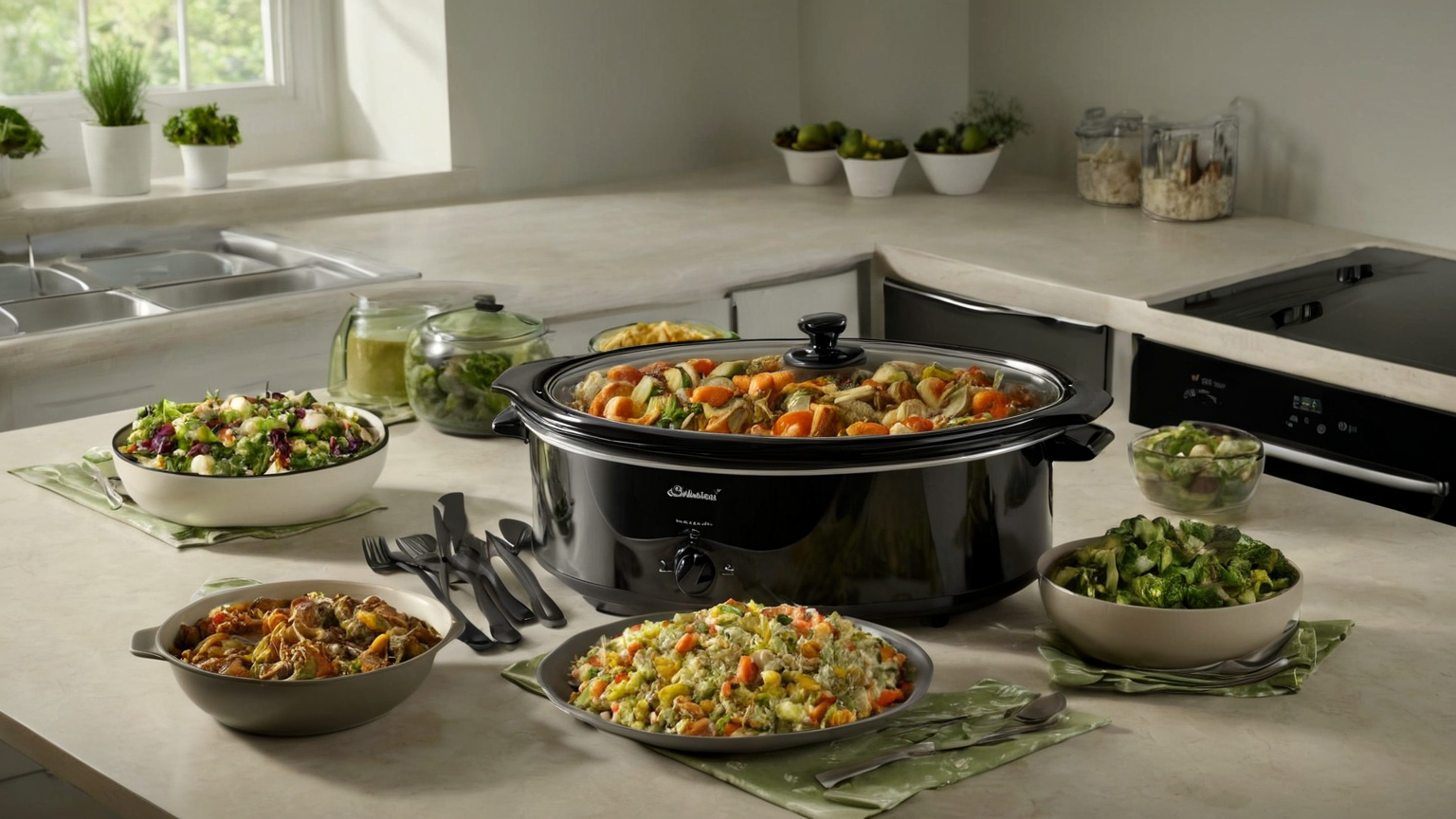
Unplugged time matters. Keep the lid secure, minimize opening, and plan the route so the dish is not waiting in a warm car. If the event is far away, consider transporting in an insulated carrier and reheating properly at the destination only when the site has a suitable outlet and enough time.
Do not put a hot insert on a car seat where it can tip, spill, or burn someone. Use a stable box, towels only as support, and a route that avoids sudden movement. Food safety and spill safety are part of the same plan.
3. Serve with small-batch refills and clean utensils
At the table, smaller portions are easier to control than one large insert that everyone opens repeatedly. Keep a clean ladle with the dish, set a spoon rest, and avoid letting guests use personal utensils. If the dish cools, dries out, or has been open too long, do not “refresh” it by stirring in new food.
For mixed potlucks, separate raw produce, ready-to-eat foods, allergens, and hot dishes. A tidy table is not just aesthetic; it reduces utensil confusion and cross-contact.
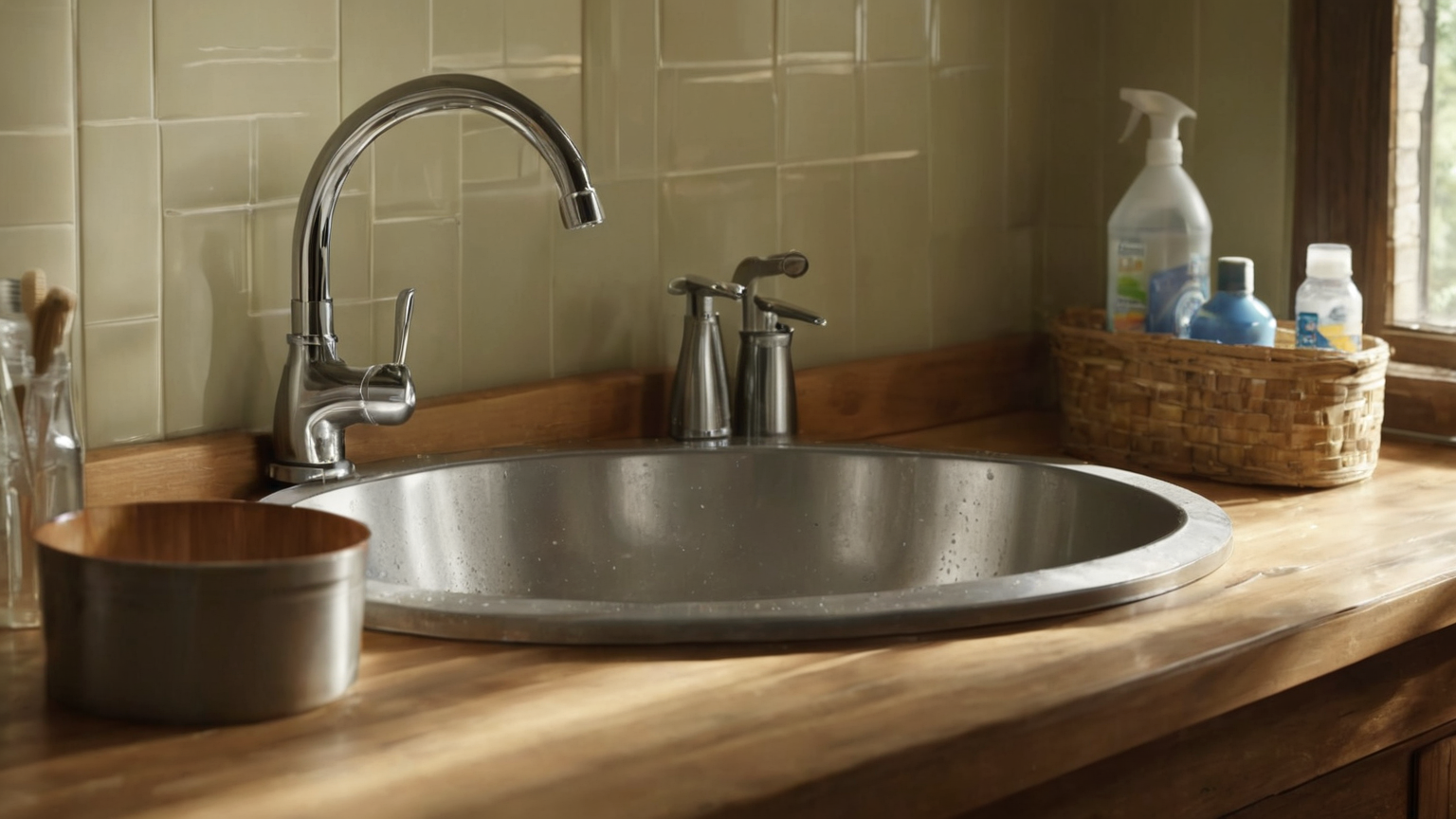
4. Cool leftovers quickly in shallow containers
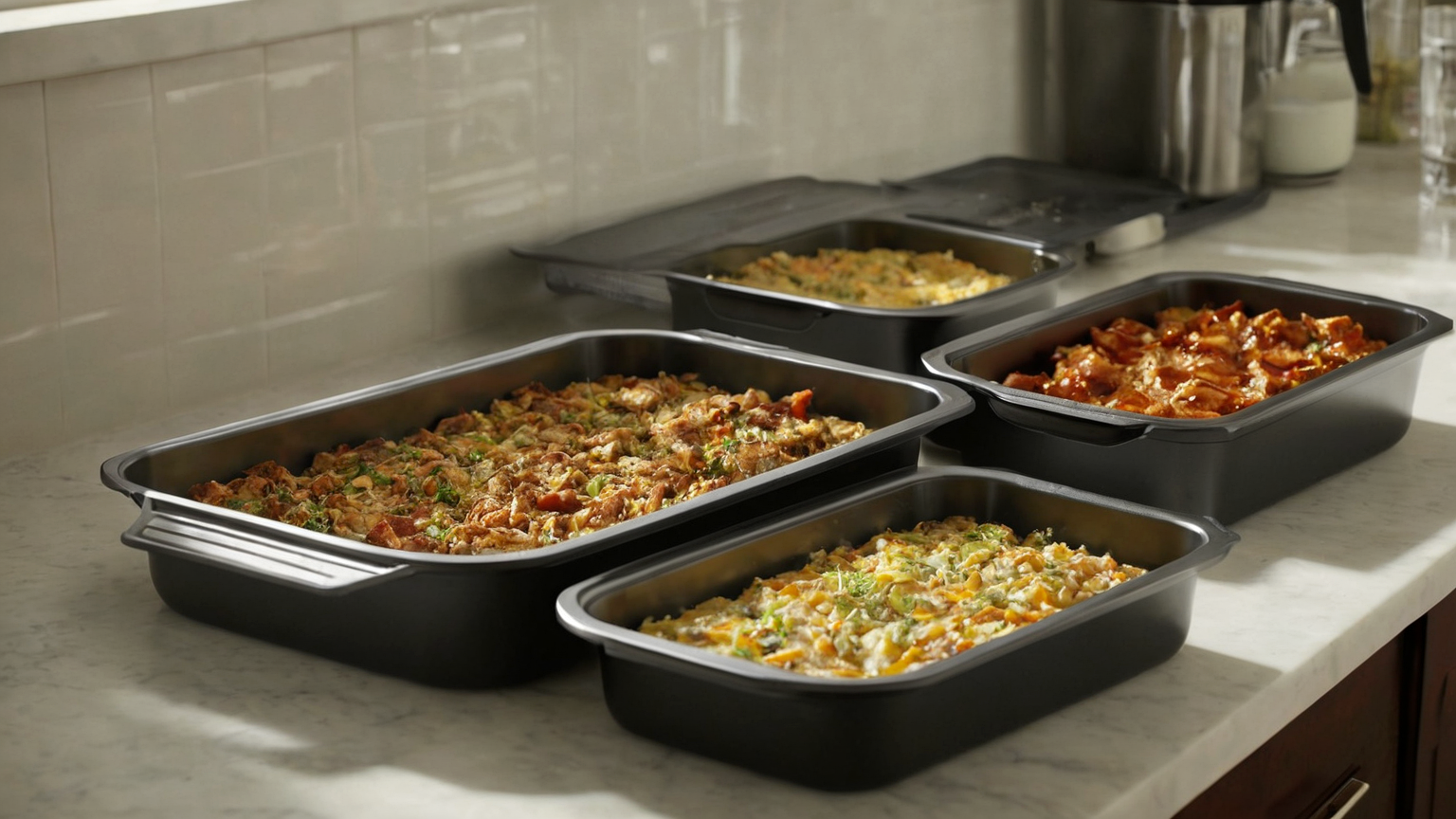
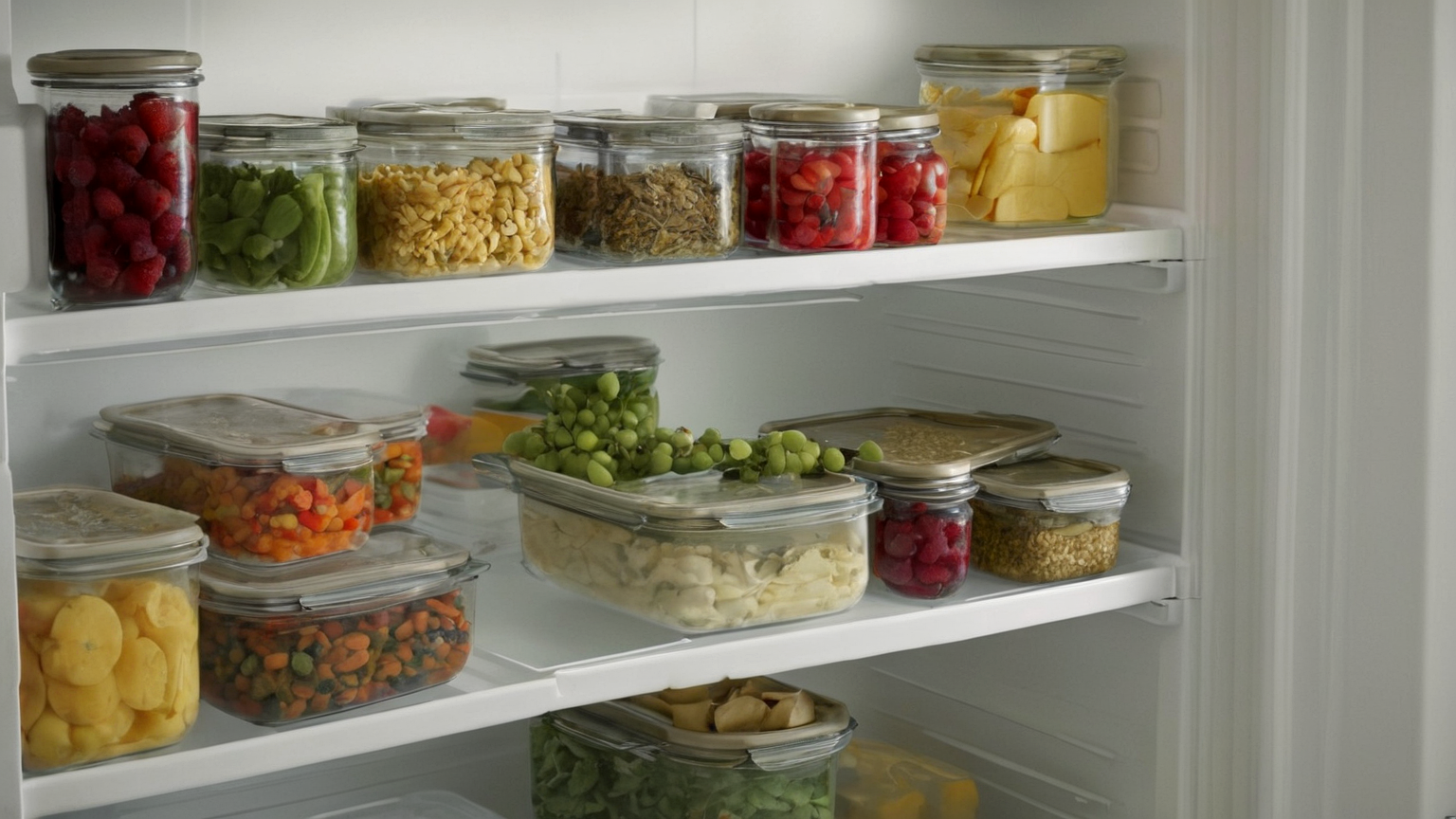
Leftover safety depends on speed and depth. Move food into shallow containers, leave space for air circulation, and refrigerate promptly. A deep crock can keep the center warm for too long, especially when the refrigerator is crowded after a party.
Labeling can help in real life, but labels do not need to appear in site images. In the kitchen, use dates and dish names; on the web page, keep the safety rule in accessible text.
5. Use higher-risk guest rules without making the event awkward
Pregnant people, older adults, young children, and people with weakened immune systems may need more conservative choices. The host can help by offering a clearly hot option, a clearly cold option, and a no-pressure way to skip uncertain dishes.
A useful host script is simple: “This one has stayed hot; these leftovers will go into shallow containers now.” It is factual, not alarmist, and it lets guests make informed choices.
Seven-point implementation checklist
- Check current official guidance before relying on memory.
- Set up the physical space before the risky step starts.
- Keep warnings, thresholds, and decision logic in body text rather than image text.
- Scale effort, heat, speed, serving time, resistance, or electrical load down when conditions are uncertain.
- Document the exception so the next attempt improves instead of repeating a mistake.
- Avoid affiliate filler where safety or trust is the main reader need.
- Revisit the plan after the season, trip, event, or household conditions change.
Source notes and limitations
This guide uses sources from CDC, FoodSafety.gov, USDA FSIS to set conservative decision boundaries. It does not certify a product, diagnose a condition, replace local law, or override professional instructions. If the real situation conflicts with this article, use the current official source, product manual, emergency instruction, clinician, qualified tradesperson, or food-safety authority first.
FAQ
Does this replace professional advice?
No. It is a home food-safety planning guide. Discard unsafe food when time/temperature control is uncertain, and follow a certified food-safety professional or local health authority for event-service decisions.
Practical example
A useful way to apply the guide is to write a one-sentence stop rule before starting: “If the setup does not match the checklist, I will choose the lower-risk option.” That sentence prevents the common failure mode: noticing a risk, continuing anyway, and hoping the situation stays normal. It also makes the guidance easier to share with another person because the decision is not personal; it is part of the system.
Reader trust and scope note
This article intentionally prioritizes source-backed, user-first guidance over product recommendations. Internal links point to related practical guides, the sources are visible in frontmatter, and the limitations section avoids overclaiming. That preserves trust signals while adding a new helpful route to the site.
Practical planning worksheet
This section was added on 2026-06-26 after a sitewide quality review. The goal is to make potluck slow cooker transport food safety plan more useful than a short reminder list: it should help a reader decide what to do, what to measure, and when to stop. For this topic, the main risk is that time in a warm car, repeated cooler opening, and sunny serving tables shorten the safe window. The safe response is not a vague promise to “be careful”; it is to pre-chill foods, pack raw items below ready-to-eat items, use separate drink coolers, and write a discard time before guests arrive.