Picnic Cooler Ice Pack and Leftover Food Safety Plan
A summer food-safety routine for packing coolers, separating raw and ready-to-eat foods, serving outdoors, and deciding what leftovers can come home.
Safety fact check included
CookNest Daily articles surface source counts, timing assumptions, kitchen-test notes, and food-safety caveats. This label means editorial safety review, not a substitute for local food-code or medical guidance.
A picnic cooler is a food-safety tool only when it is packed, opened, served, and closed with a plan. This guide was checked on 2026-06-22 against USDA FSIS, FDA, CDC, and FoodSafety.gov resources. It does not replace local food-code rules, event permits, product labels, or advice for high-risk individuals, but it gives households a practical way to keep cold food cold, prevent raw-food leaks, and make sober leftover decisions after an outdoor meal.
Quick decision table
| Situation | Safer choice | Mistake to avoid |
|---|---|---|
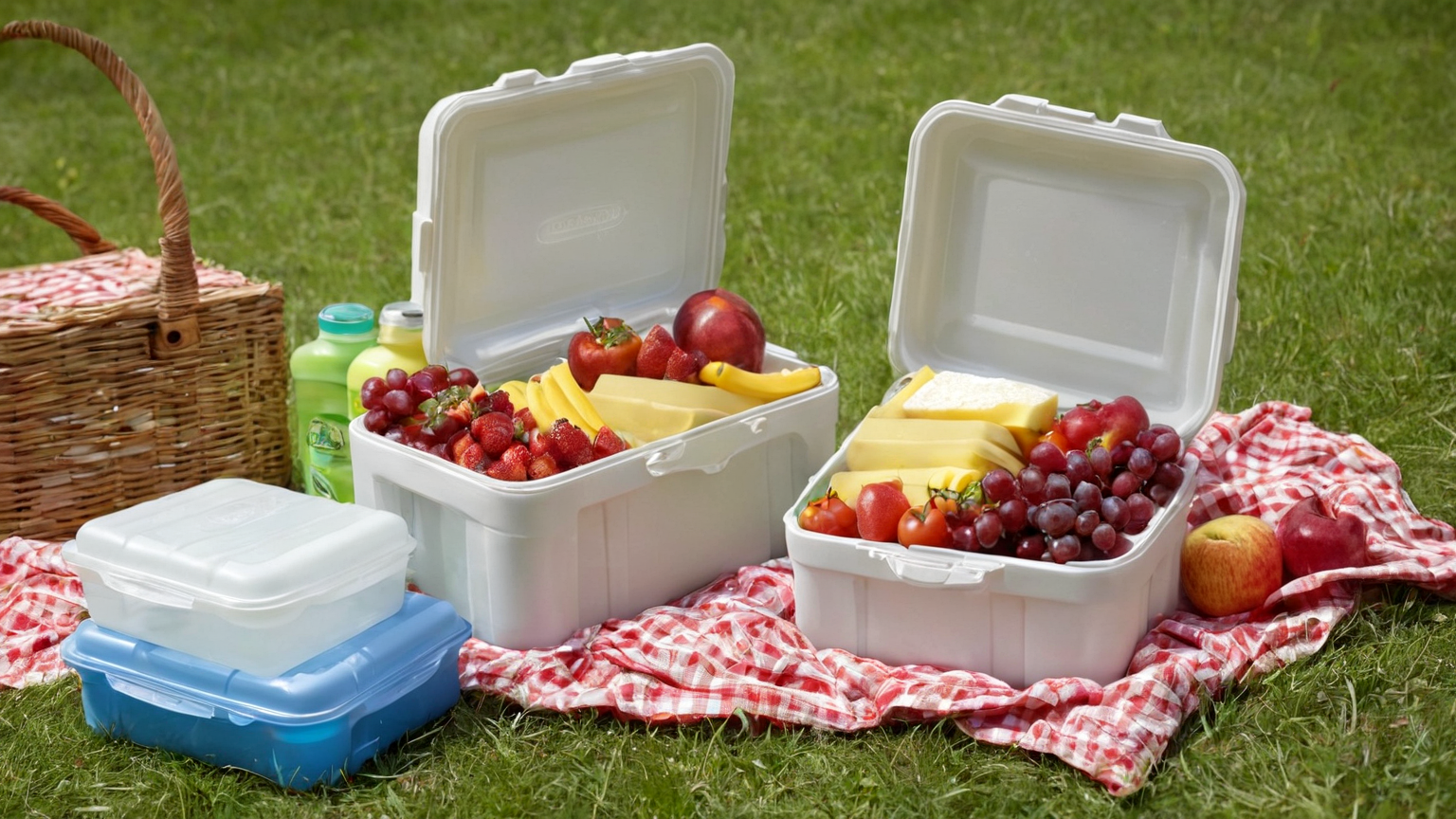
| Cooler will be opened often | Use a serving cooler and a reserve cooler | Letting the main cooler sit open on the table |
| Raw meat is traveling | Seal it below and away from ready-to-eat food | Putting raw packages above salad or fruit |
| Food sat out during heat | Use time and temperature rules conservatively | Tasting leftovers to decide safety |
| Hands and utensils are shared | Create a clean utensil and hand-cleaning station | Using one tong for raw and cooked foods |
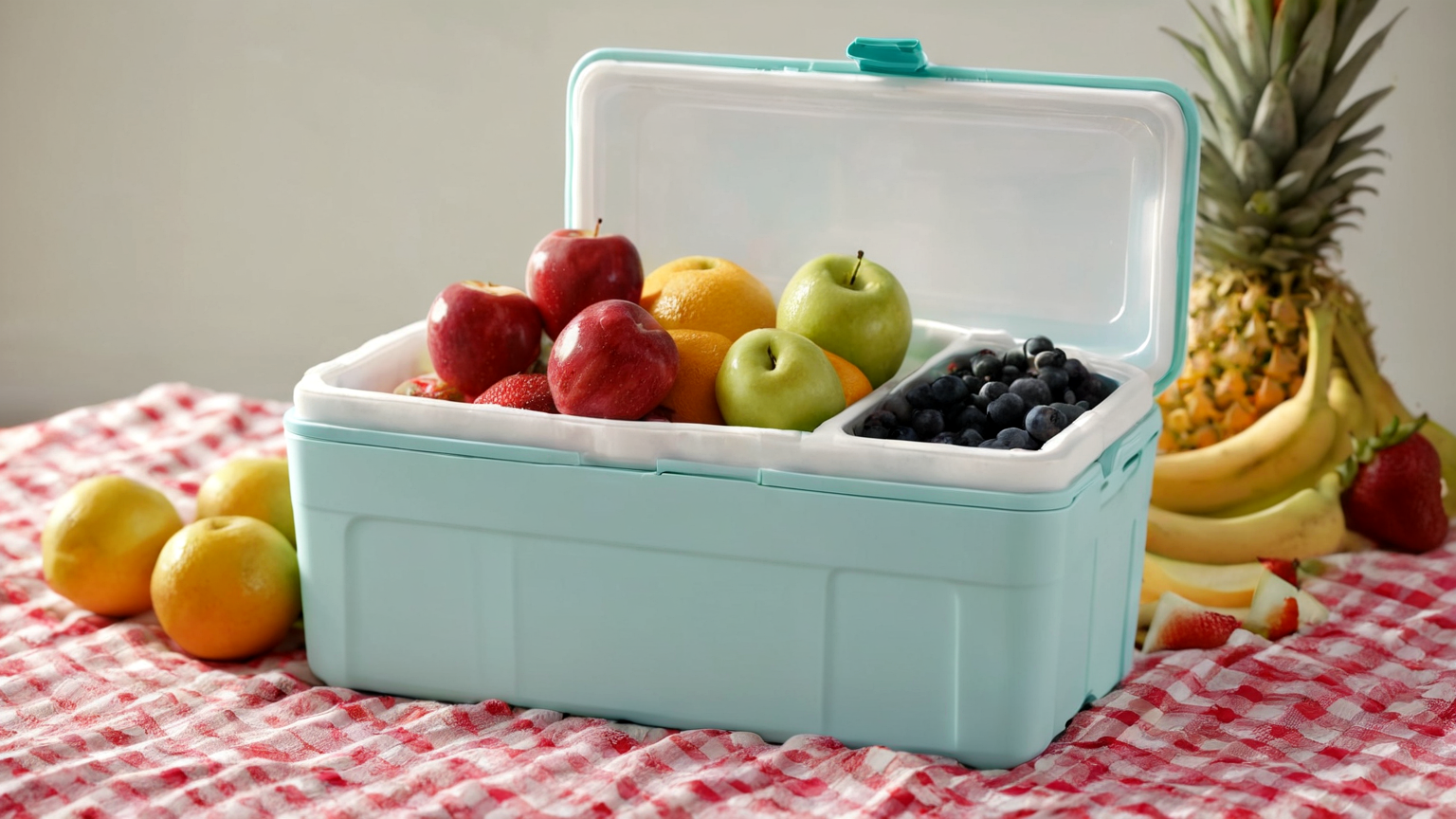
1. Pack the cooler around temperature and separation
Start by naming the specific risk this article is about: picnic cooler ice pack and leftover food safety plan. The first useful action is not a purchase or a shortcut; it is a current-condition check against the official sources listed below and against the real household, body, road, appliance, or kitchen setup in front of you. Write down the trigger that makes the normal plan unsafe, the lower-risk substitute, and the point at which you will stop. That small bit of friction prevents the most common failure mode: acting from yesterday’s conditions or from a habit that no longer matches the current risk.
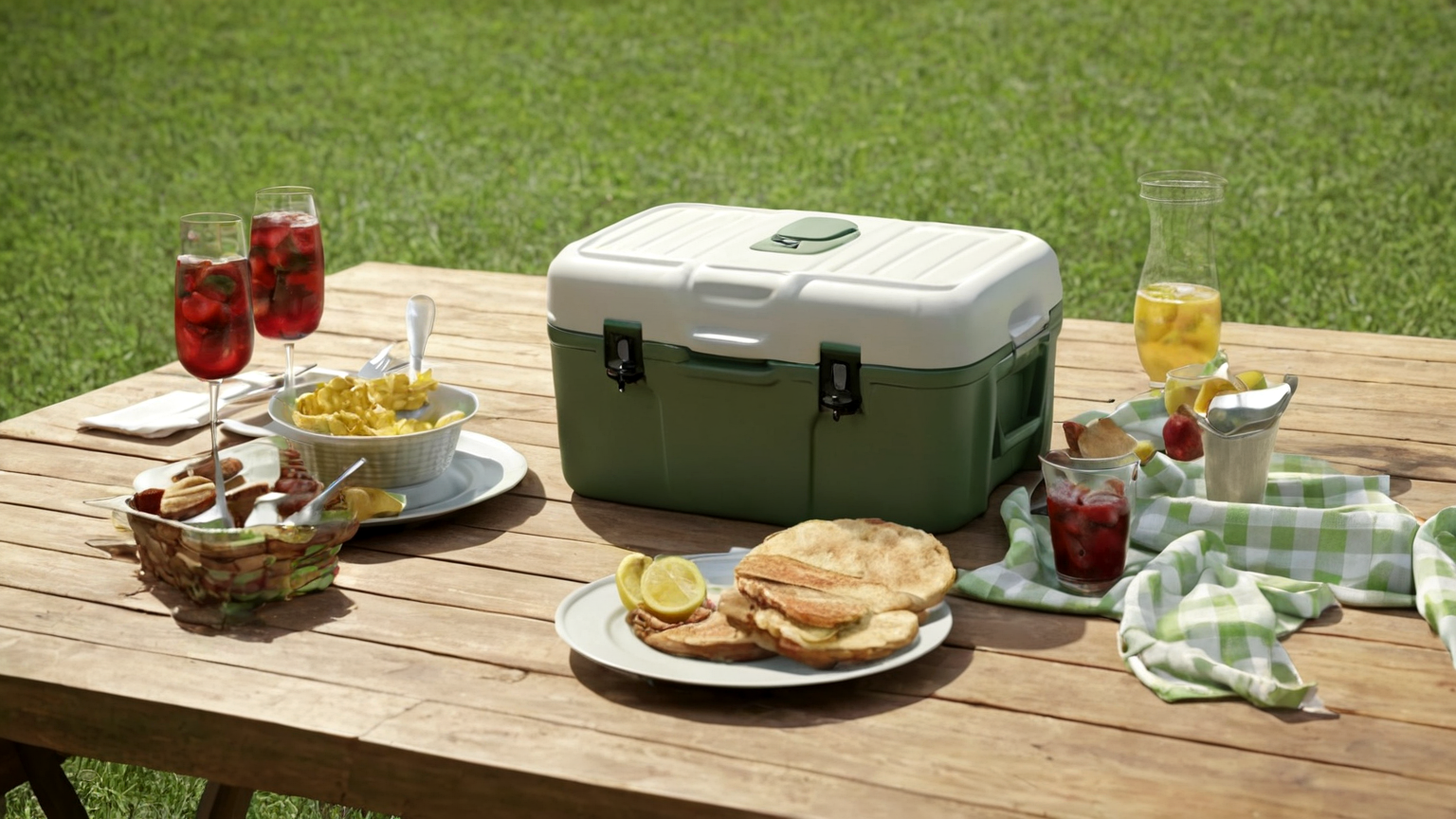
2. Serve from small batches instead of one long buffet
Use a two-column setup: what must be ready before the task starts, and what must stay out of the way. Helpful content is specific enough to change the environment. Put clean tools, safer routes, lighter workloads, sealed containers, filters, water, or official-alert bookmarks where they are visible. Remove the tempting shortcut, such as a single shared utensil, a live traffic shoulder decision, a clogged filter, or a training load that belongs to last month rather than today. The aim is not perfection; it is a repeatable setup that makes the safe action easier than the risky one.
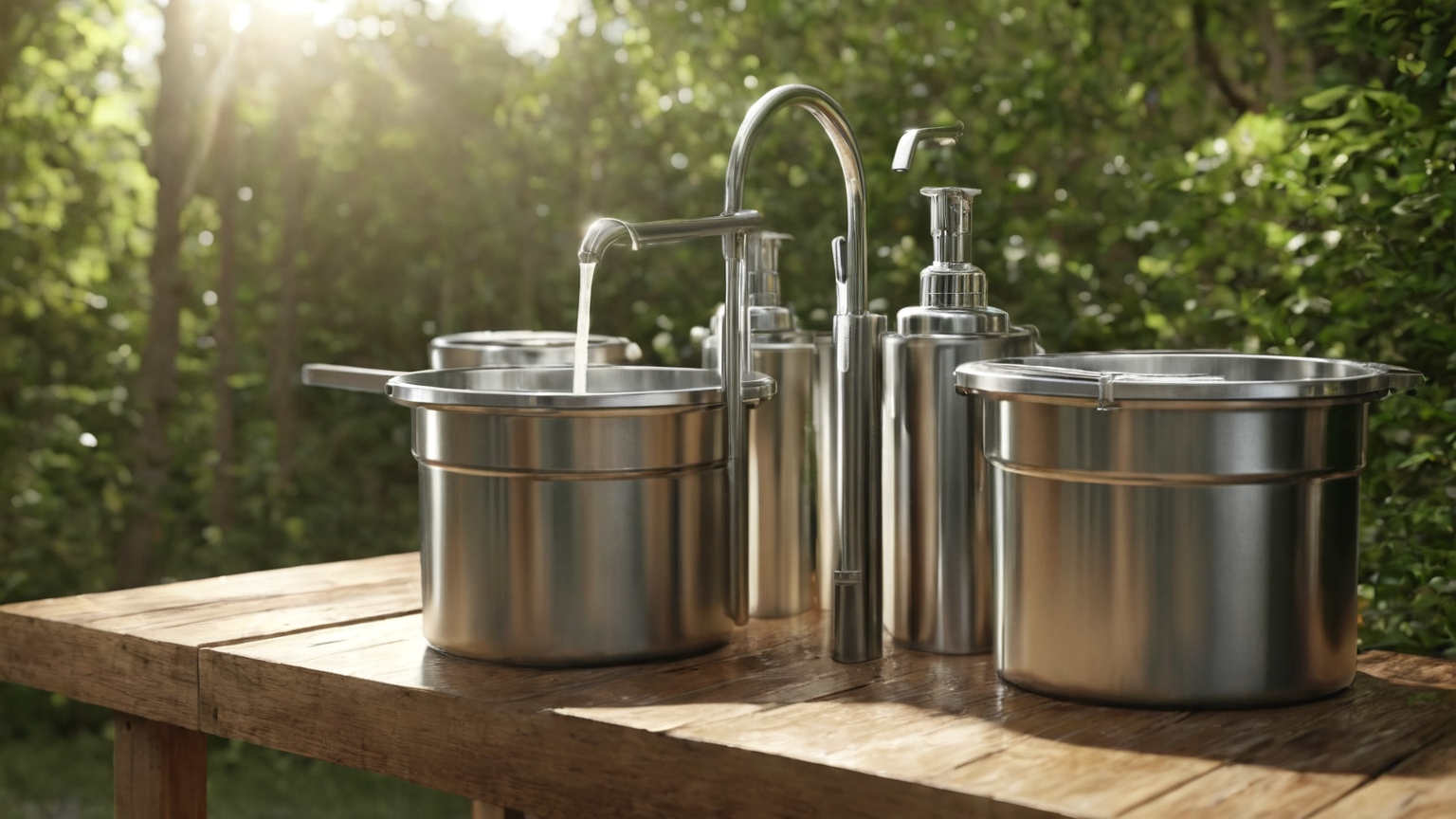
3. Protect produce and ready-to-eat food from raw-food splash
When two warnings overlap, choose the conservative branch. Heat plus smoke, fatigue plus chest symptoms, outdoor serving plus raw-food transport, or poor visibility plus a long unfamiliar route should not be treated as isolated inconveniences. Stack the warnings in plain language, then reduce intensity, delay the trip, keep food cold, prepare a clean-air room, or ask for qualified help. This is also the point where the article stays policy-safe: it avoids miracle claims, avoids panic, and makes the limits of a general web guide clear.
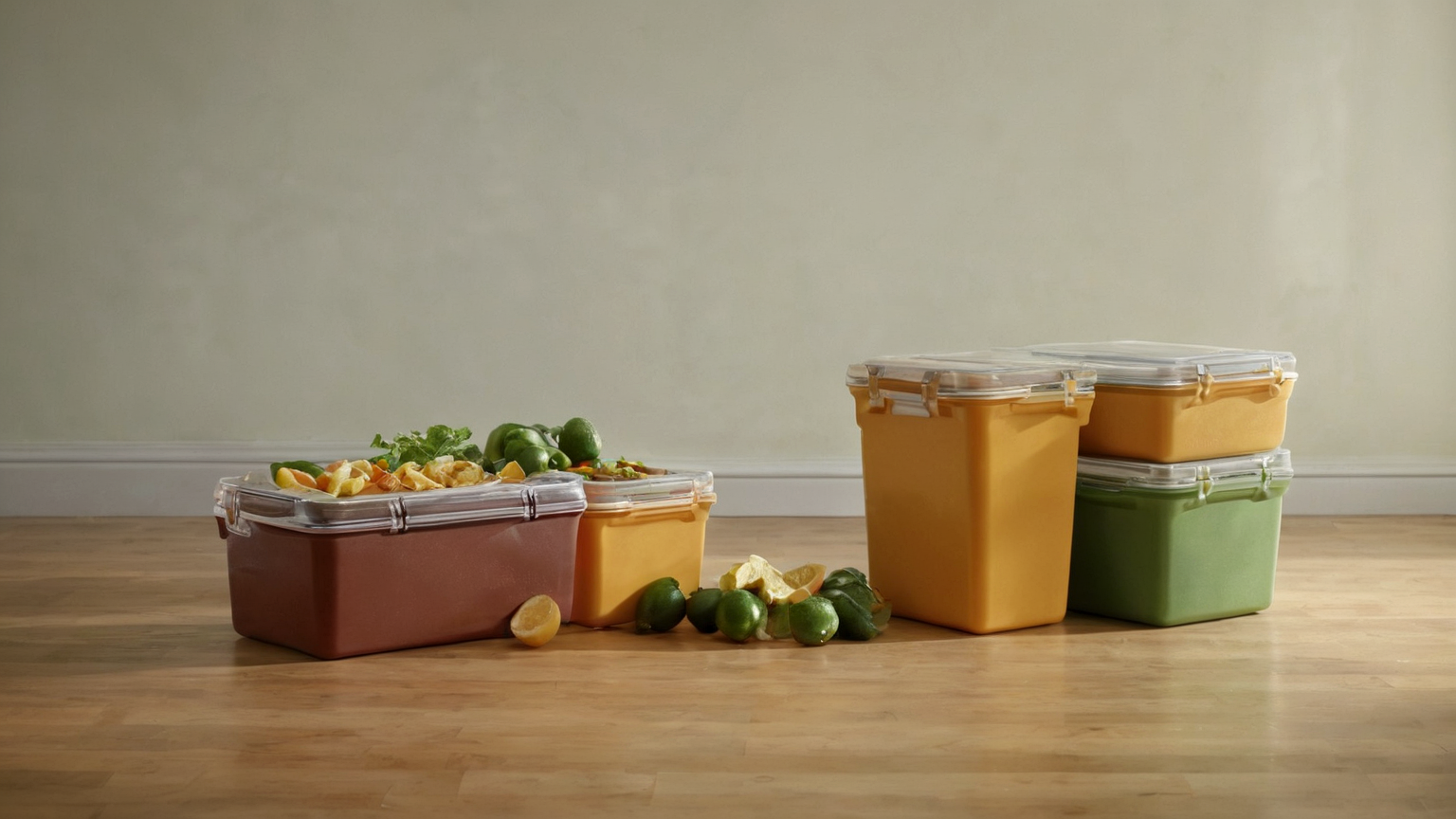
4. Decide leftovers before the drive home
Build a stop rule before pride, hunger, schedule pressure, or travel momentum takes over. A stop rule should be observable: a symptom worsens, a cooler warms, smoke thickens, a passenger becomes vulnerable, a filter cannot be confirmed, or an official alert changes. If the rule triggers, do the lower-risk thing without debating it in the moment. A good stop rule protects the reader and protects site quality because it turns the post into decision support rather than thin evergreen filler.
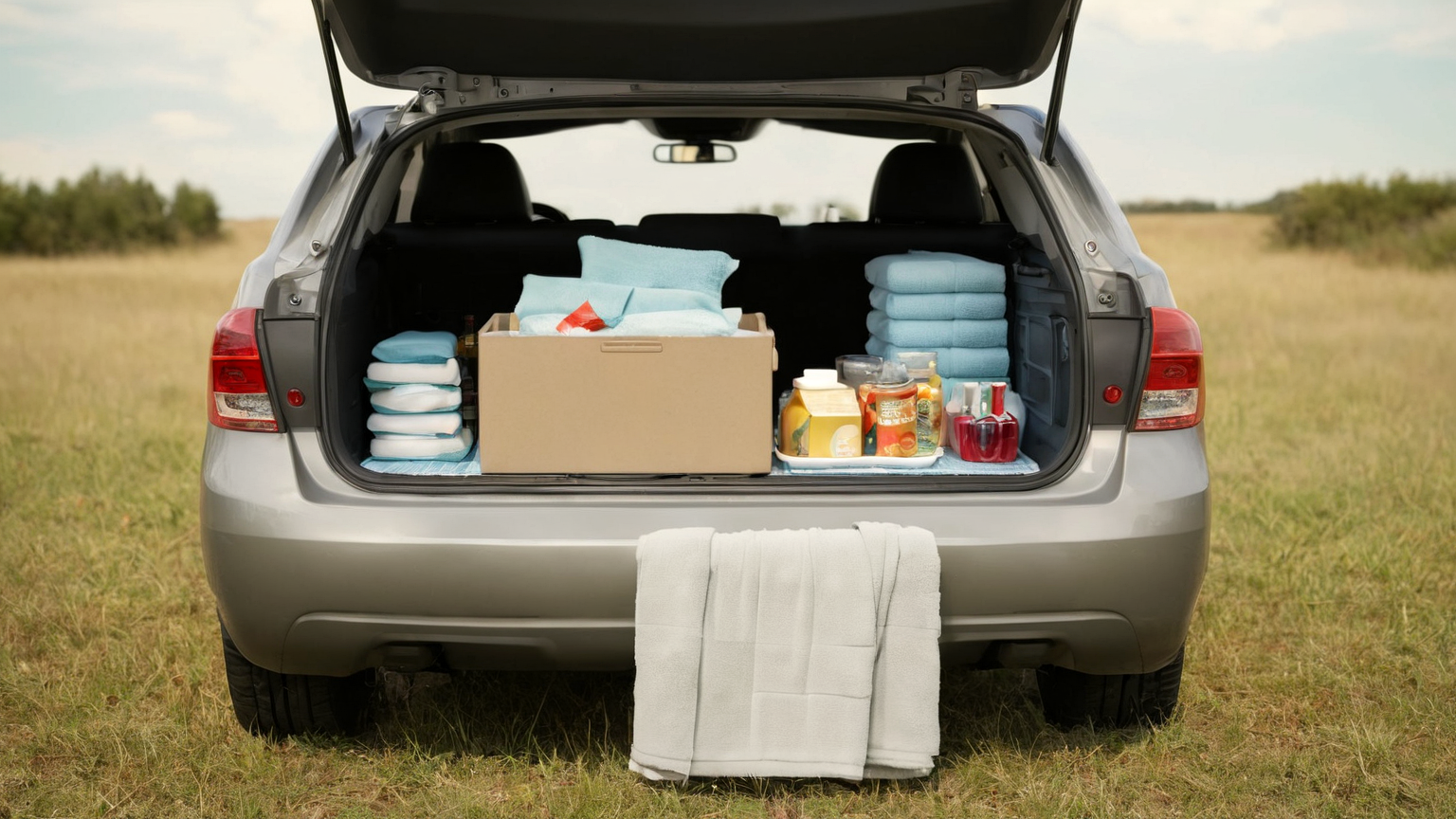
Step-by-step operating checklist
- Check the most current official source or alert before starting; do not rely on memory.
- Confirm the physical setup: room, route, cooler, appliance, workout load, people, tools, and time pressure.
- Choose the lower-risk option when two warnings overlap.
- Keep tables, warnings, and procedures as native page text, not embedded in images.
- Record what failed or felt confusing so the next update improves usefulness rather than adding volume.
Reader scenario
Imagine the normal plan is already scheduled. The meal is packed, the road trip is on the calendar, the workout is written, or the heat-pump setting seems familiar. The safer plan begins by pausing for one minute and asking whether today is actually normal. If the answer is no, the decision table above gives a substitute that protects health, safety, and trust while still letting the reader accomplish something practical.
Practical notes for households
Use this article as a working note, not as a one-time rule. Before the next similar situation, copy the decision table into a small checklist and add the details that are unique to your home, vehicle, kitchen, body, route, appliance, or local alert system. A guide becomes more useful when it contains concrete triggers: the symptom that stops training, the cooler step that prevents cross-contact, the visibility condition that delays a trip, or the filter check that changes a heat-pump plan. These notes make the page easier to trust because they are practical, observable, and tied to the sources rather than to a vague promise.
For readers with higher risk, use a stricter version of the plan. That may include older adults, children, pregnant people, people with heart or lung conditions, immunocompromised family members, passengers who cannot leave a vehicle independently, or guests who depend on the host for safe food handling. The conservative branch is not a failure; it is the correct design when the cost of being wrong is high. If official alerts, product manuals, food labels, or qualified professionals give stricter advice than this general guide, follow the stricter advice.
FAQ
Does this replace professional advice? No. It is a planning aid built from the listed sources; medical, emergency, mechanical, electrical, HVAC, and food-safety decisions can require qualified help.
Practical planning worksheet
This section was added on 2026-06-26 after a sitewide quality review. The goal is to make Picnic Cooler Ice Pack and Leftover Food Safety Plan more useful than a short reminder list: it should help a reader decide what to do, what to measure, and when to stop. For this topic, the main risk is that time in a warm car, repeated cooler opening, and sunny serving tables shorten the safe window. The safe response is not a vague promise to “be careful”; it is to pre-chill foods, pack raw items below ready-to-eat items, use separate drink coolers, and write a discard time before guests arrive.
Decision workflow for transport and outdoor serving
Three common failure scenarios
- The schedule slips. Guests arrive late, errands take longer than expected, or a storm changes the plan. When timing changes, reset the food-safety clock instead of stretching it. Move food back to controlled temperature, or write a new discard time.
- The workspace gets crowded. Phones, towels, packaging, pets, and drink cups enter the prep area. Clear one clean landing zone for ready-to-eat food and keep raw-food tools visibly separate.
- A food looks fine but the history is unknown. The dangerous version is a cooler that becomes a shared drink chest or leftovers that no one can time accurately. Smell, color, and texture are not reliable safety tests. When the time/temperature history is missing, discard the food.