Home Fermented Pickles Jar Safety Routine
A practical home-kitchen guide for safer fermented pickle prep: jar cleanliness, brine strength, temperature, spoilage signs, and when to discard.
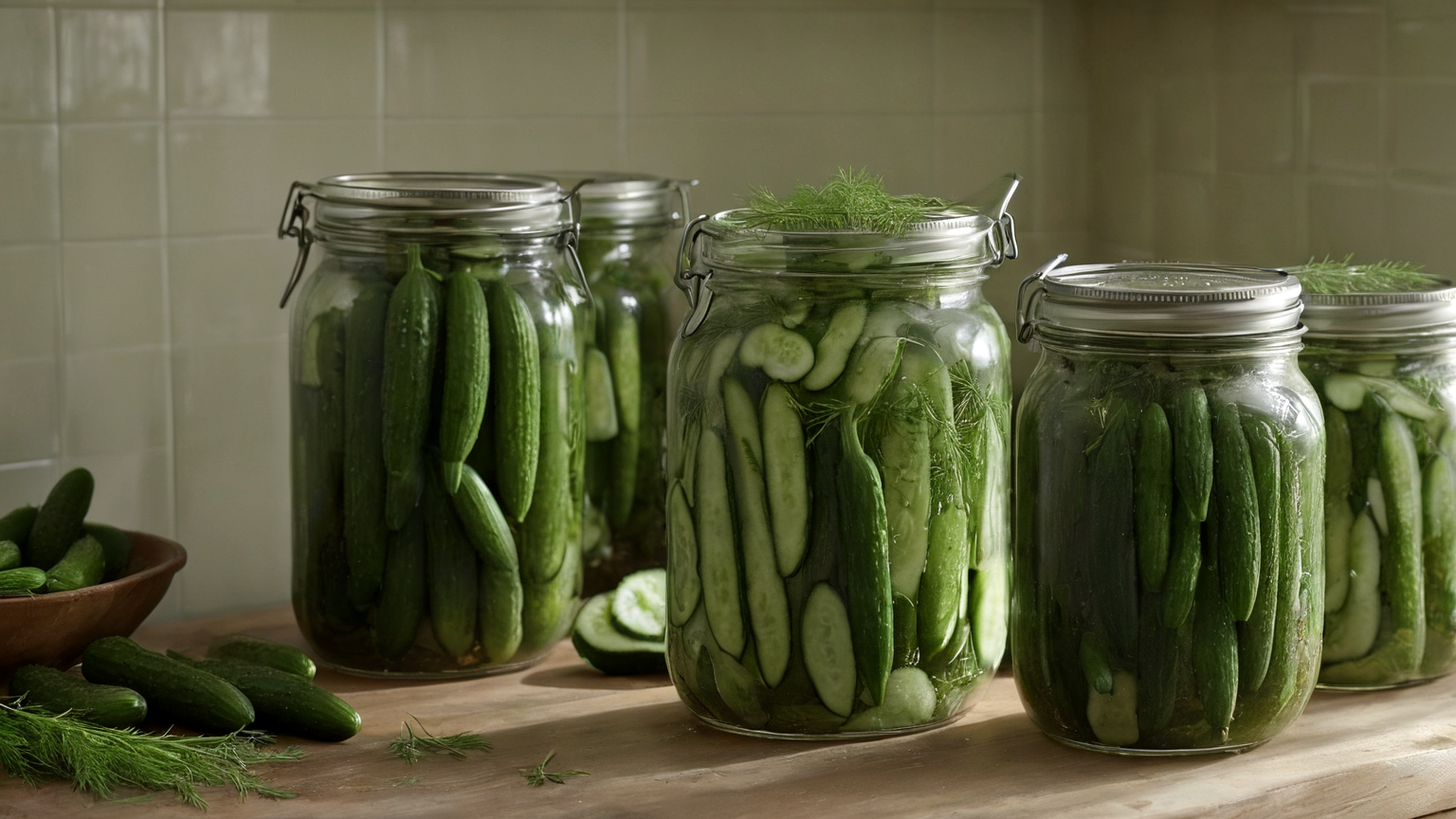
Safety fact check included
CookNest Daily articles surface source counts, timing assumptions, kitchen-test notes, and food-safety caveats. This label means editorial safety review, not a substitute for local food-code or medical guidance.
Fermented pickles are simple, but they are not a “anything in a jar will be safe” project. Safe results depend on clean prep, correct salt brine, submerged vegetables, suitable temperature, and a willingness to discard jars that smell, look, or behave wrong. This guide was checked on 2026-06-23 against USDA, NCHFP, CDC, FDA, FoodSafety.gov, and extension sources. It is practical home-kitchen guidance, not a commercial food-service process or a substitute for local extension instructions.
Quick decision table
| Situation | Safer choice | Mistake to avoid |
|---|---|---|
| Brine was changed to “less salty” | Do not use that batch as a safety example | Assuming flavor preference is safety validation |
| Vegetables float above brine | Re-submerge early if the recipe allows, discard if spoilage appears | Scraping off questionable growth and serving |
| Jar smells rotten or texture is slimy | Discard without tasting | Trying a small bite to check |
| Recipe source is a short video only | Find an extension or USDA/NCHFP process | Copying ratios from comments |
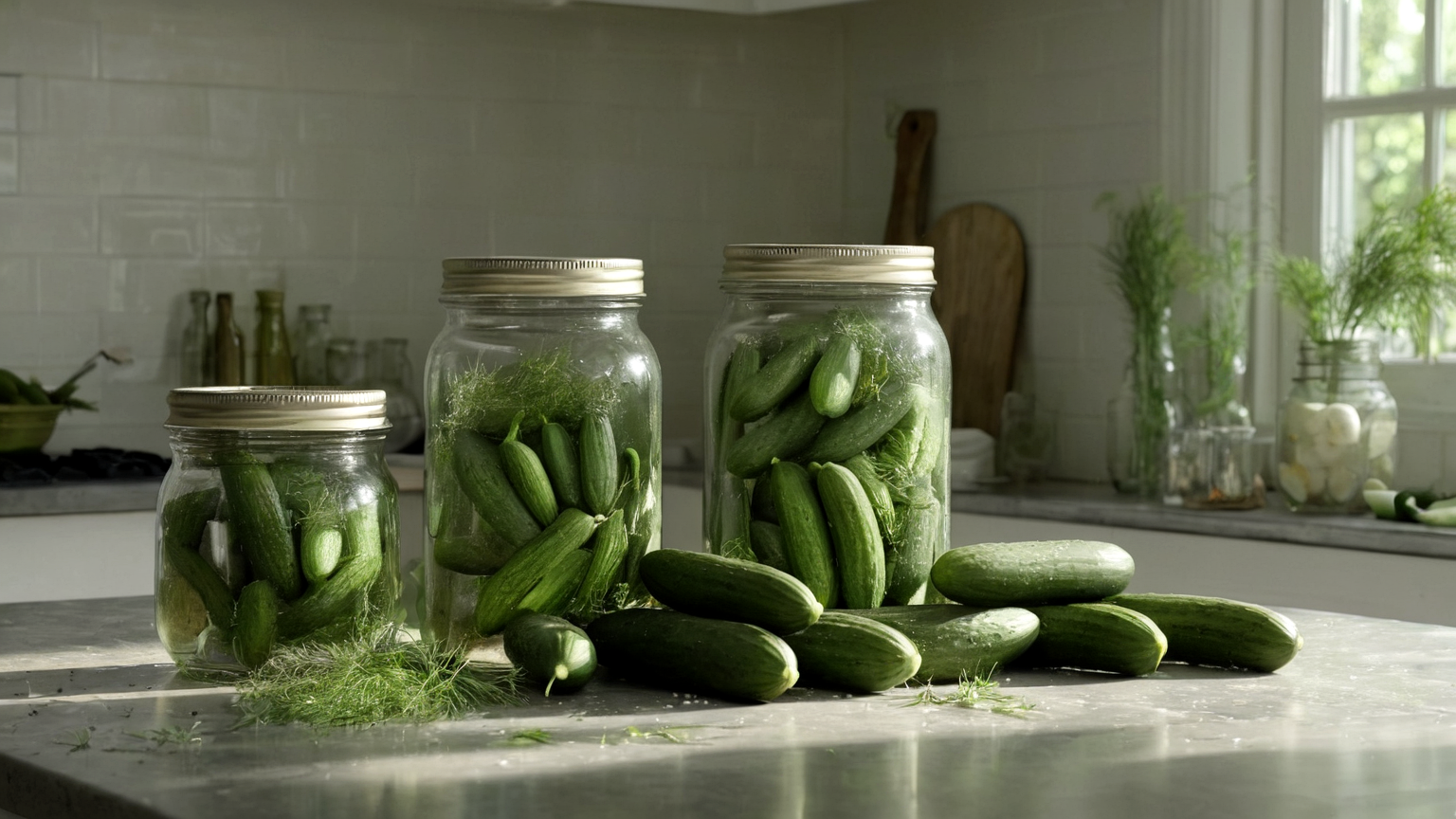
Start with the tested process, not a social-media shortcut
Use a reputable recipe from a university extension, USDA, or the National Center for Home Food Preservation. Do not reduce salt, change vegetable ratios casually, or mix fermentation and canning instructions. A tasty flavor idea is not the same as a validated safety process.
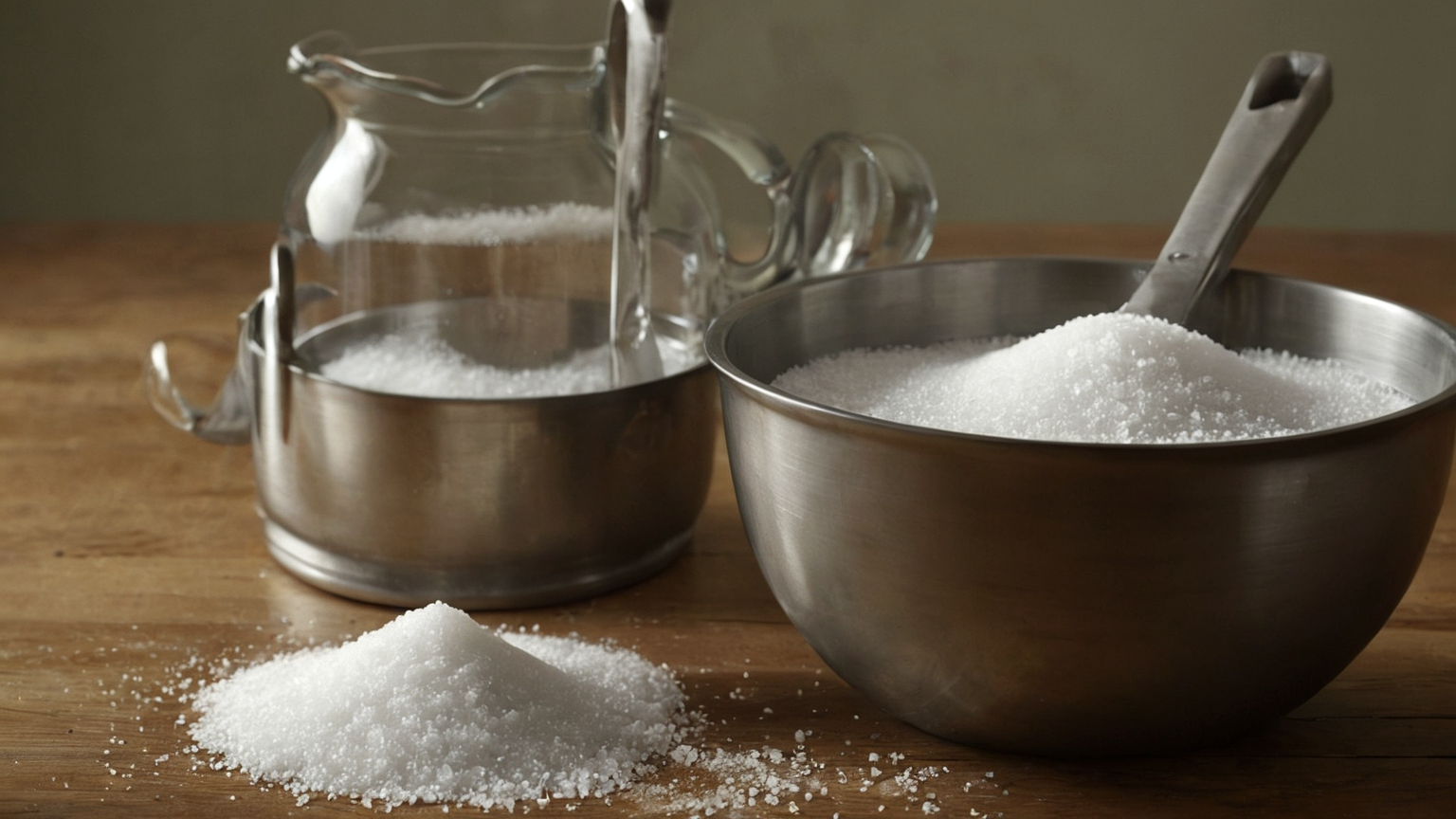
Clean the workspace before filling jars
Wash hands, clean counters, use clean utensils, and inspect jars for chips or residue. Vegetables should be fresh, trimmed, and rinsed under running water. Keep raw meat, dirty sponges, and pet bowls out of the prep area. Most failures start before the brine is poured.
Keep vegetables submerged and observe daily
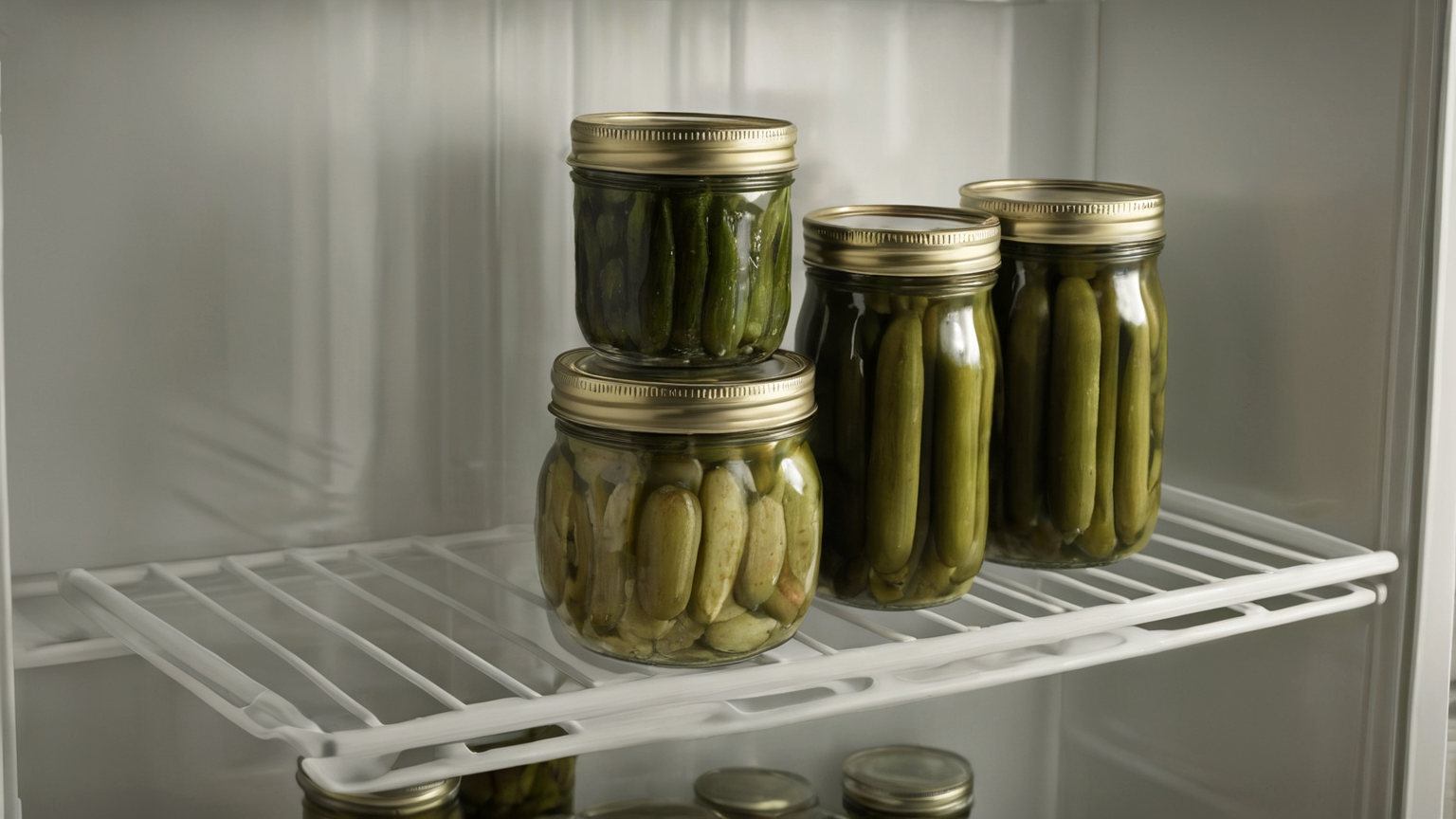
Weights, headspace, and jar placement matter because exposed pieces can discolor or spoil. Bubbling can be normal during fermentation, but fuzzy growth, putrid odors, slimy texture, or a jar that seems pressurized in an unusual way are discard signals. When in doubt, do not taste-test a questionable jar.
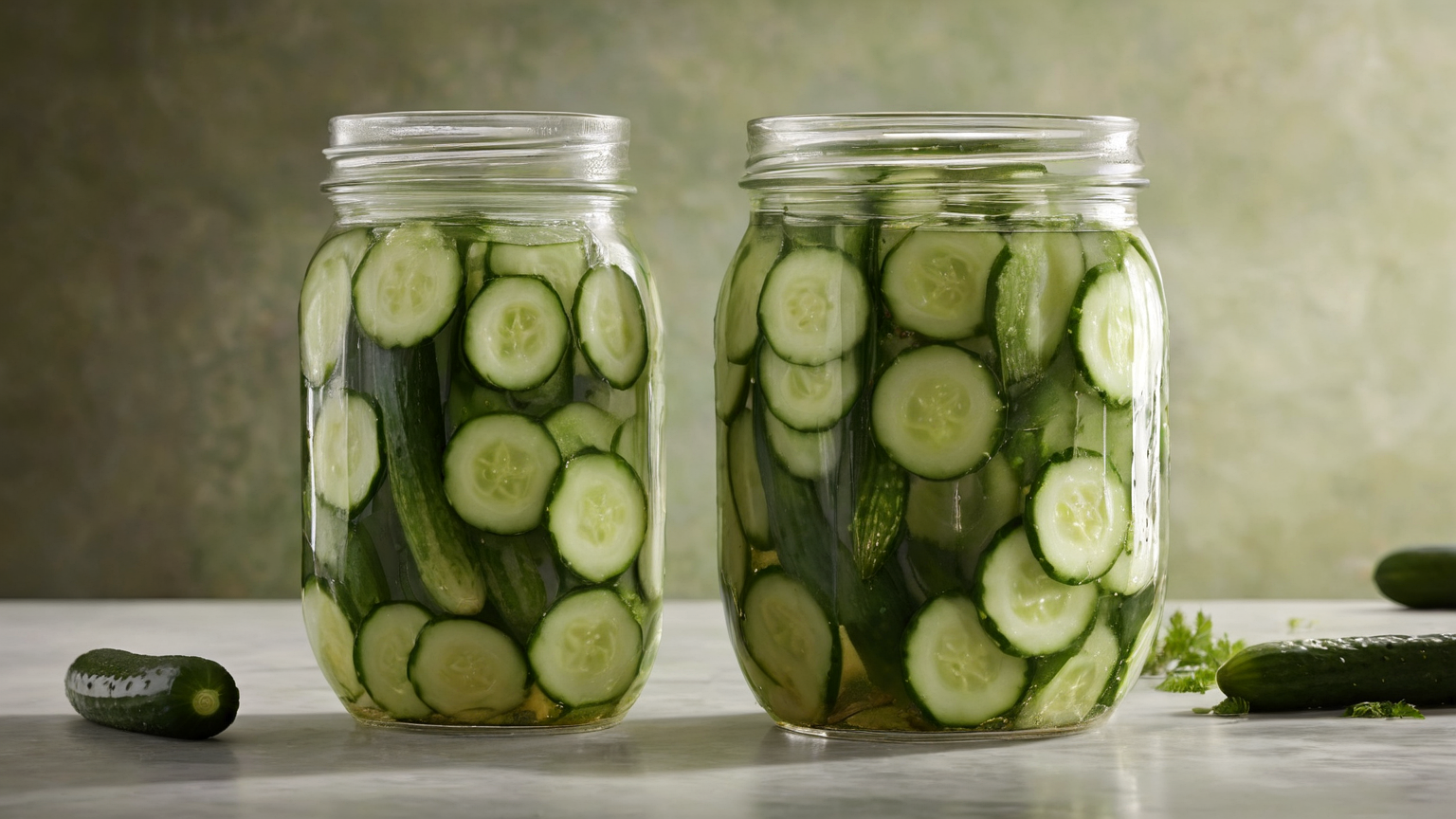
Control temperature and time
Warm rooms speed activity and can create texture problems; cold rooms slow fermentation. Follow the recipe range and move finished pickles to the refrigerator when the desired sourness and safety steps are complete. Write dates on a separate note, not on a published image or fake label.
Separate fermentation from shelf-stable canning
Refrigerator fermented pickles are not automatically shelf-stable. If you want pantry storage, use a tested canning recipe and processing method. Do not invent a hybrid by fermenting first and then sealing without validated processing.
Step-by-step operating routine
- Define the real constraint before acting: weather, fatigue, food temperature, child movement, or home hazard.
- Use the listed official sources to verify any current alert, local rule, equipment manual, recipe instruction, or safety threshold.
- Choose the lower-risk option when the environment is unfamiliar, crowded, hot, poorly maintained, or outside your normal routine.
- Write down the stop condition before starting so the decision is not made while rushed or embarrassed.
- Re-check the result after the action and keep the habit only if it improves safety, comfort, or consistency without adding hidden risk.
Common mistakes to avoid
- Treating a generic tip as if it overrides current official guidance or local conditions.
- Continuing because the plan is already started, even after a stop signal appears.
- Using a product, vehicle, appliance, recipe, or exercise method in a way the source material does not support.
- Letting convenience remove the most important safety layer: supervision, temperature control, air sealing, hygiene, or a professional boundary.
AdSense-readiness and trust note
This article is intentionally conservative: it favors verifiable sources, clear user decisions, internal links to related practical guides, and plain disclaimers over sensational claims. If your situation involves illness, injury, children, electrical hazards, food spoilage, vehicle danger, or structural problems, use local official guidance and qualified professionals first.
FAQ
Is this current for June 2026?
Yes. The publishing workflow checked the listed sources on 2026-06-23. Current local alerts, recalls, owner manuals, and professional advice still take priority.
What should I verify before using the checklist?
Verify the current official source, your real local conditions, product or vehicle instructions, and whether a professional boundary applies.
Does this replace professional advice?
No. It is a practical planning guide for everyday decisions, not medical, legal, emergency, mechanical, electrical, structural, or commercial food-service advice.
Implementation notes for real households
The most useful version of this guide is the one you can repeat on a busy day. Put the checklist where the decision happens, remove steps that require perfect memory, and decide in advance which signal sends you to a lower-risk option. Good safety routines are boring: they reduce the number of judgment calls you must make while tired, hot, distracted, hungry, or under time pressure. Review the outcome the next day. If the routine created confusion, shorten it. If it prevented a rushed mistake, keep it and make the safer choice easier next time.
Safer prep timeline for a first batch
The safest first batch is small, plain, and easy to observe. Read the full tested recipe before buying vegetables. Confirm the salt type, water amount, jar size, headspace, temperature range, and whether the recipe is for refrigerator fermentation or a processed shelf-stable product. On prep day, clean the counter, wash hands, rinse vegetables under running water, and keep raw meat, dirty dishcloths, and pet areas away from the workspace.
Fill jars according to the tested process, keep vegetables below the brine, and place the jars where temperature is stable and where spills can be contained. Check daily with your eyes and nose, not by tasting questionable jars. Normal fermentation can create bubbles and sour aroma; fuzzy growth, rotten odor, sliminess, or a jar that behaves as if it is dangerously pressurized should end the batch. Discarding one jar is cheaper than guessing with food safety.
Brine and temperature mistakes that change the risk
Reducing salt because a comment says it tastes better can change the fermentation environment. So can adding extra low-acid vegetables, using an untested sweetener ratio, or fermenting in a room that is much warmer than the recipe expects. If you want a lower-salt or unusual flavor version, look for a tested extension recipe that already matches that goal instead of improvising. Keep notes outside the jar image: date started, recipe source, room temperature range, and the day moved to refrigeration.
Temperature matters for texture and safety decisions. A warm kitchen can make pickles soften quickly; a cool room can slow visible activity. Do not speed a batch with direct sun, a hot windowsill, or a warm appliance top. If summer heat makes the room unsuitable, choose a different project or wait for a cooler period.
Serving and storage boundaries
Use clean utensils each time you remove pickles. Do not let fingers, used forks, or picnic serving tongs go into the jar. Keep finished refrigerator pickles cold, close the lid promptly, and discard if texture, odor, gas, color, or surface growth becomes suspicious. For shelf-stable storage, follow a tested canning process from USDA/NCHFP or an extension source; refrigerator fermentation alone is not the same as a pantry-safe product.
Reader safety summary
Good home fermentation is not about fear. It is about using a tested process, observing the jar honestly, and refusing to rescue a batch that shows spoilage signs. The practical rule is simple: if the source is weak, the ratio was changed, the vegetables were not submerged, or the jar seems wrong, do not serve it.
Practical follow-up log
Use a short follow-up log so the article becomes an action plan rather than a one-time read. Record the date, the condition you observed, the safer option you chose, and whether the result was better the next day. Keep the log simple enough to repeat: one line for the signal, one line for the action, and one line for the result. If the same problem appears twice, improve the setup before the third attempt instead of relying on willpower.
This is also where helpful-content quality matters. A checklist is only useful when it changes behavior in the real setting. Put supplies near the decision point, remove choices that create avoidable risk, and share the boundary with anyone else involved. If another adult, passenger, family member, or contractor participates, make the stop rule explicit before work starts. The safest plan is the one that remains understandable when the day is hot, crowded, rushed, or inconvenient.
Finally, revisit the official source links when conditions change. Public-health pages, vehicle guidance, food-safety instructions, and energy-efficiency recommendations can move or update. If a source contradicts a habit, prefer the current source and adjust the habit. That protects both reader safety and long-term site trust.
One-minute readiness recap
Before acting, pause for one minute and name the real hazard, the official source that applies, the safer fallback, and the point where you will stop. That quick recap prevents the most common failure: continuing with a familiar routine after the situation has clearly changed.