Farmers Market Produce Safety: Wash, Store, and Prep Plan
A practical 2026 kitchen guide for buying, washing, separating, storing, and using fresh produce safely.
Safety fact check included
CookNest Daily articles surface source counts, timing assumptions, kitchen-test notes, and food-safety caveats. This label means editorial safety review, not a substitute for local food-code or medical guidance.
Fresh produce is one of the best parts of summer cooking, but the safety routine matters before the salad reaches the table. This guide was checked on 2026-06-02 against CDC food-safety and Nutrition.gov resources. It focuses on practical household steps: choose sound produce, prevent cross-contamination, wash at the right time, store cold items promptly, and avoid risky shortcuts.
Produce safety table
| Moment | Safer action | Mistake to avoid |
|---|---|---|
| Buying | Choose produce that looks sound and is protected from raw juices | Putting leafy greens under leaky meat packages |
| Transport | Keep ready-to-eat produce separate from raw animal foods | One mixed tote for everything |
| Washing | Rinse whole produce under running water before cutting or eating | Washing with soap or chemical cleaners |
| Prep | Use clean hands, clean board, clean knife | Cutting melon or tomatoes before washing the outside |
| Storage | Refrigerate cut or perishable produce promptly | Leaving cut fruit out for hours |
Buy with separation in mind
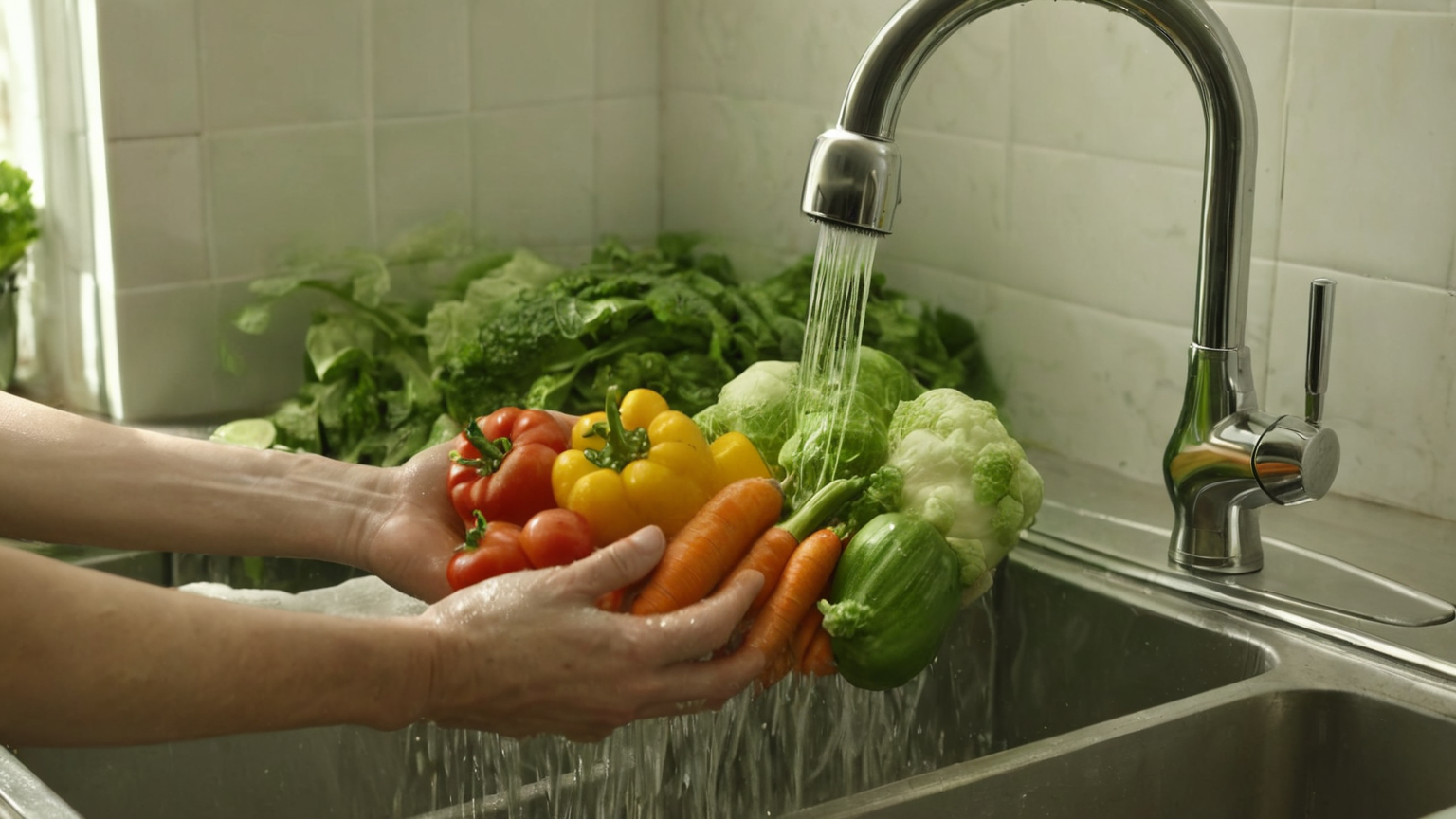
At a farmers market or grocery store, food safety begins in the bag. Keep produce away from raw meat, poultry, seafood, and leaking ice chests. Use separate totes or a washable divider. If the trip is long or hot, plan cold storage for perishable foods rather than letting them sit in the car while you run errands.
The most useful version of this routine is intentionally conservative. For fresh produce washing, storage, and prep, make the decision before you are tired, hot, hungry, rushed, or trying to justify a purchase. Write down the trigger that changes the plan, keep the relevant official source open, and choose the option that leaves the biggest margin for error. A good checklist should work on a messy weekday, not only during a perfect demonstration.
Wash before cutting, not after contamination spreads
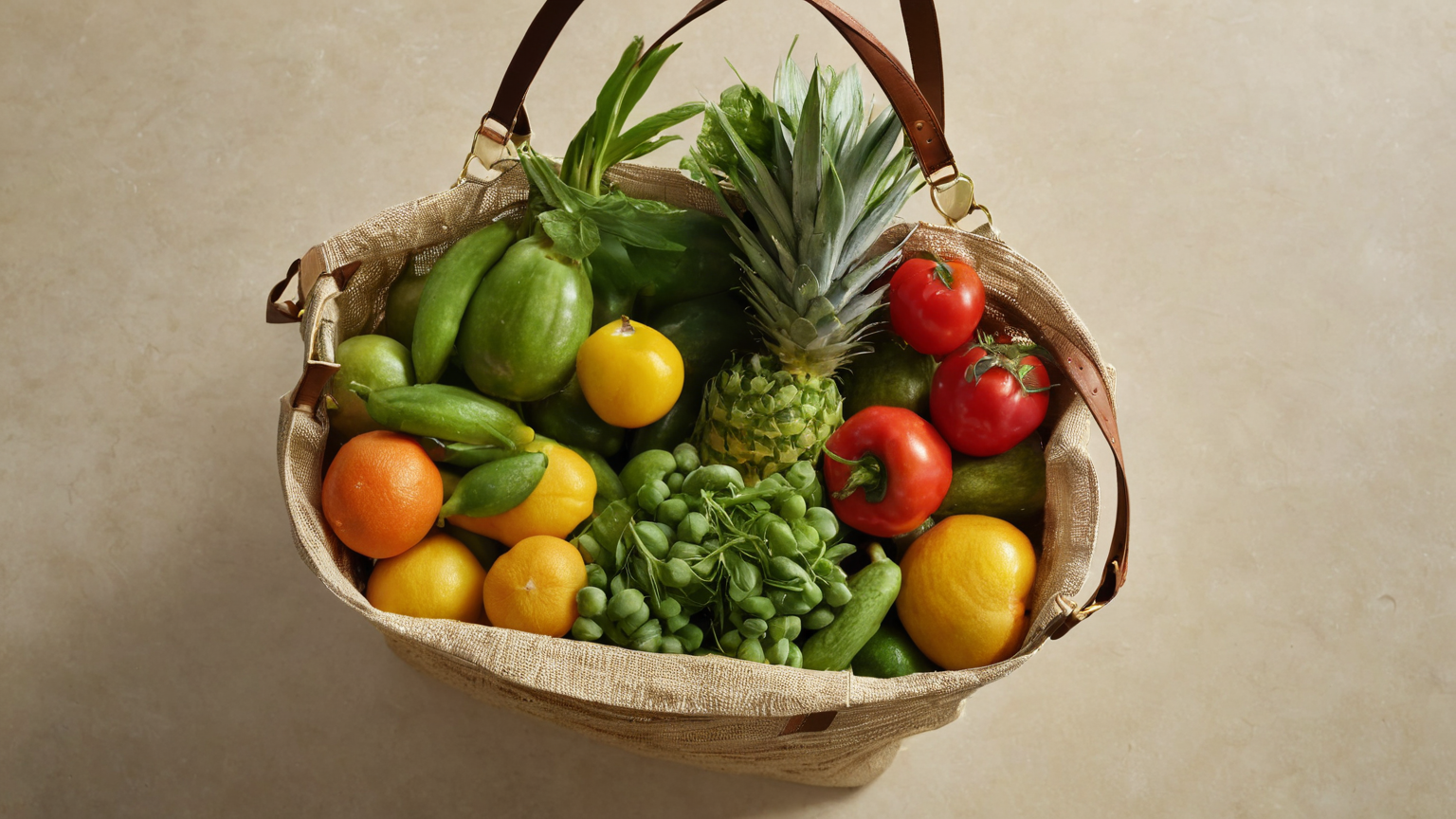
Rinse whole fruits and vegetables under running water before cutting, peeling, or eating. Firm produce can be scrubbed with a clean brush. Do not use soap, bleach, or household cleaners on food. Washing does not make unsafe food safe, but it reduces dirt and some surface contamination before a knife carries it inside.
Treat cut produce as a time-and-temperature food
Once produce is cut, peeled, cooked, or mixed into a ready-to-eat dish, handle it like a perishable food. Use clean containers, refrigerate promptly, and discard when time, temperature, smell, texture, or history is uncertain. People at higher risk of severe foodborne illness should be extra cautious with raw sprouts, unpasteurized items, and unknown handling histories.
Keep boards and towels honest
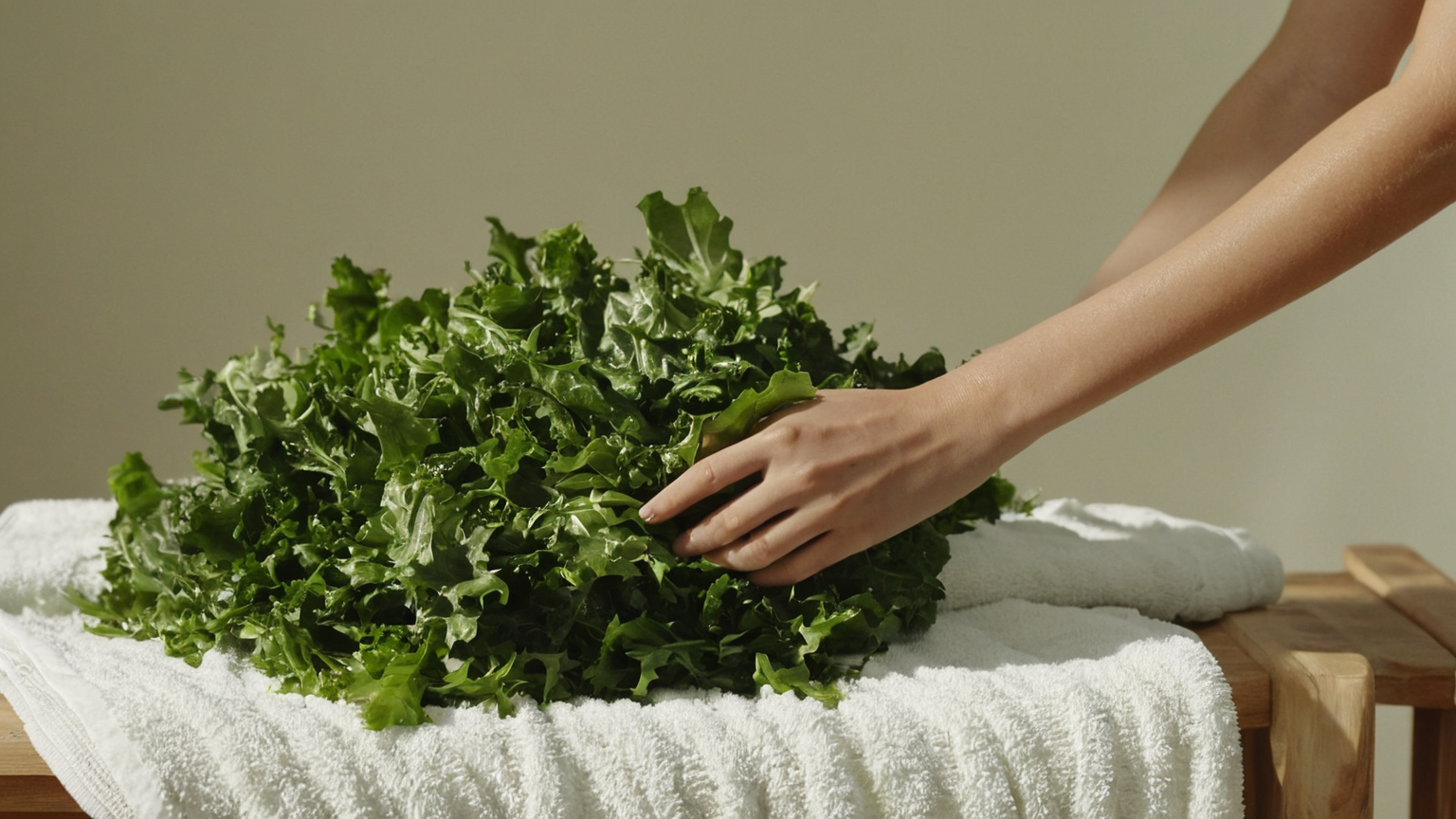
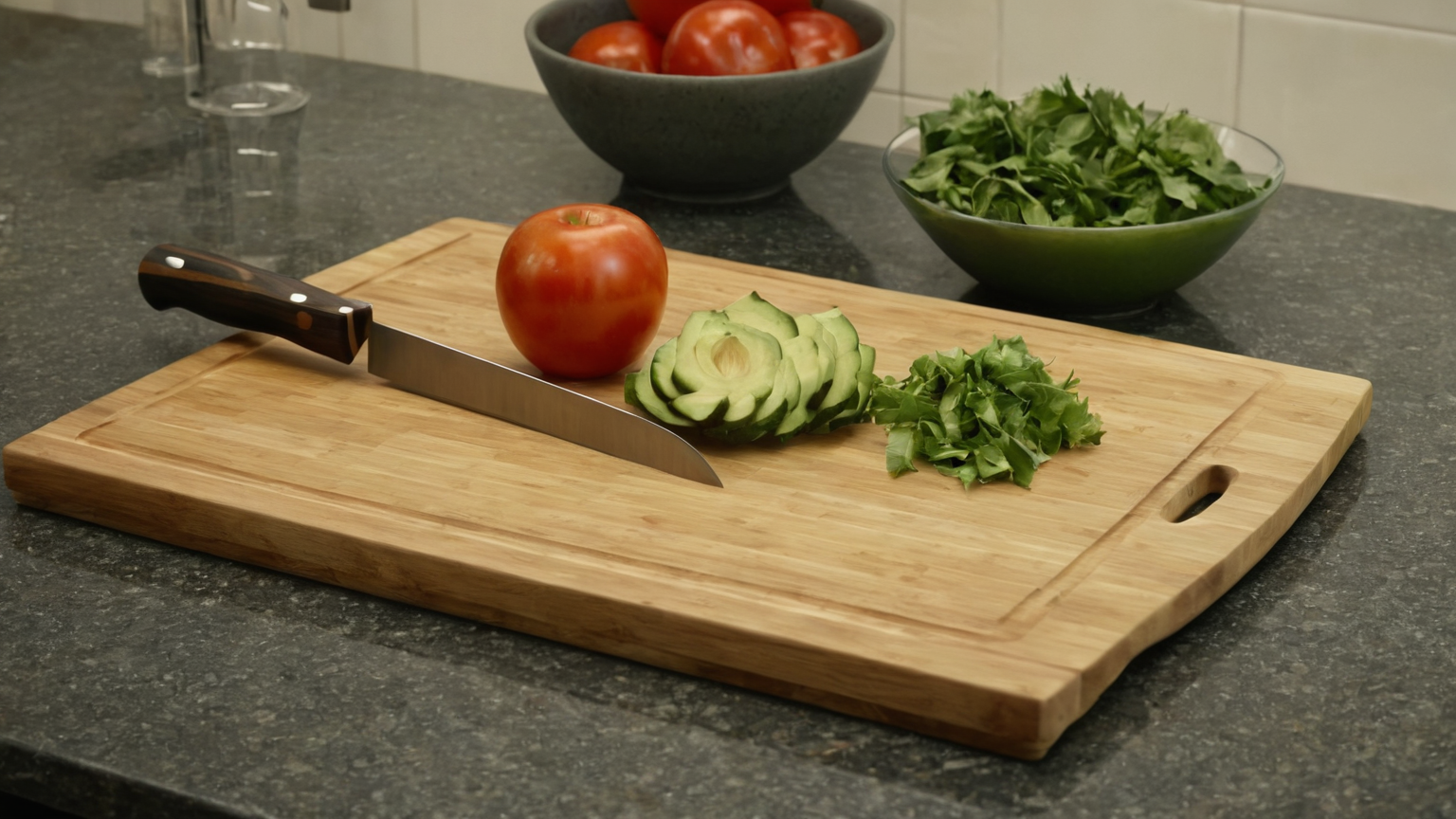
A clean-looking cutting board can still spread contamination. Wash hands, utensils, counters, and boards before and after prep. Use a separate board for raw animal foods. Replace sponges and towels when they become dirty, and do not dry clean produce with a cloth that has been used for raw-food cleanup.
Storage decisions that prevent waste and risk
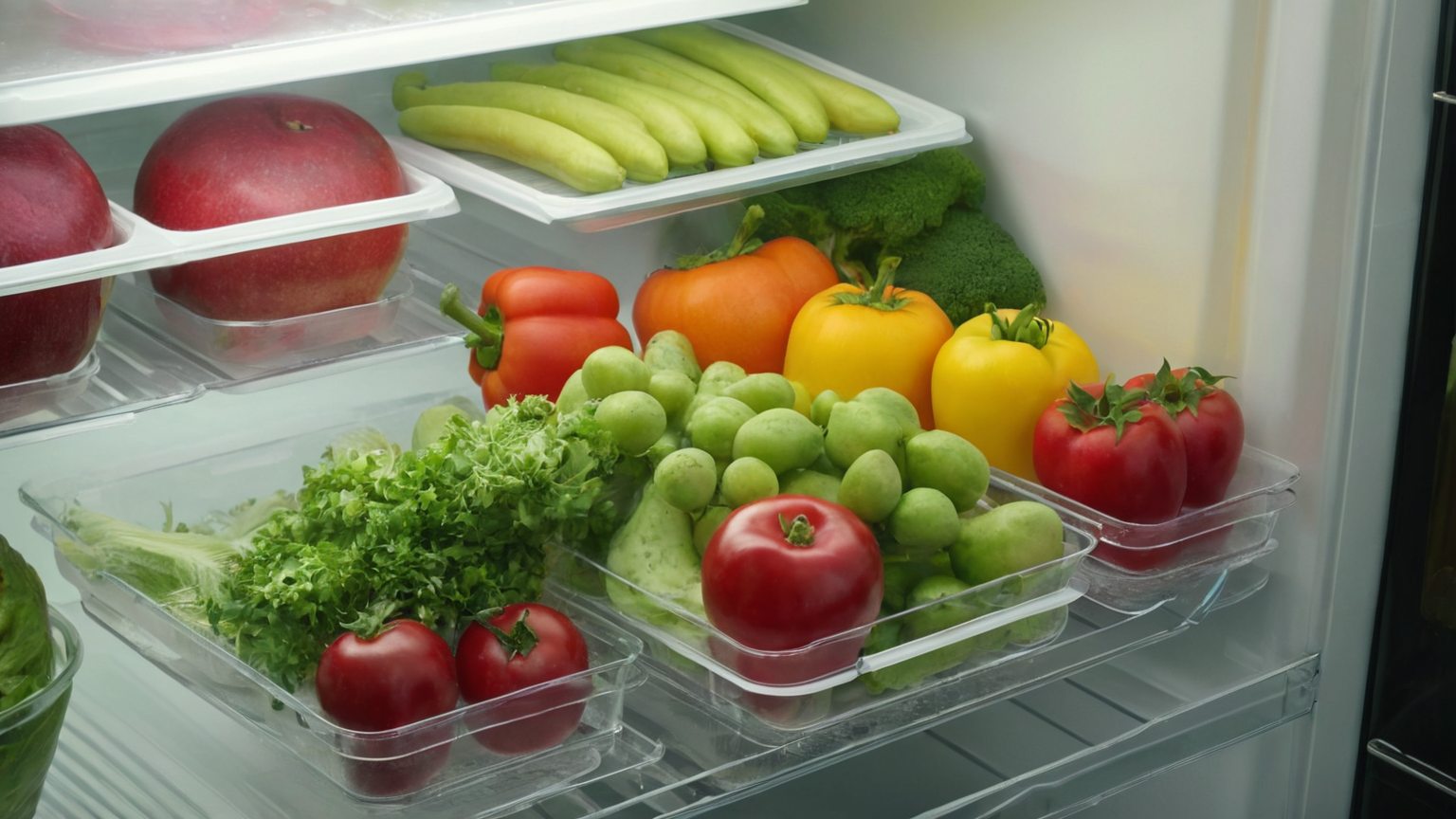
Do not wash delicate berries days before eating if it makes them spoil faster; instead sort, refrigerate, and wash before use. Store cut melon, washed greens, and prepared salads cold. Keep raw meat in a sealed tray below produce so leaks cannot drip onto ready-to-eat foods.
Meal-prep checklist
- Pack market produce separately from raw animal foods.
- Wash hands before handling ready-to-eat produce.
- Rinse whole produce under running water before cutting.
- Use clean tools and separate raw-meat equipment.
- Refrigerate cut produce promptly.
- Discard produce that is slimy, moldy, badly bruised, or stored with unknown risk.
Example decision
If you buy melon, leafy greens, and chicken on a hot day, put chicken in a separate leakproof bag and cooler zone. At home, refrigerate first, wash melon before cutting, prep greens with clean tools, and keep ready-to-eat produce away from raw juices.
FAQ summary
Produce safety is not complicated: separate, clean, rinse, chill, and discard when history is uncertain. The safest kitchen routine prevents contamination before it needs to be fixed.
Market-to-meal workflow for busy kitchens
A safe produce routine is easiest when it is attached to the trip itself. Bring one clean tote for ready-to-eat produce and a second bag for items that are dirty, damp, or likely to bruise. Keep herbs and leafy greens on top, heavy melons and squash on the bottom, and anything that leaked soil or field moisture away from food that will be eaten raw. If you also buy eggs, meat, poultry, seafood, or prepared food at the market, those items should travel separately and go home quickly.
At home, do not wash everything automatically. Berries, mushrooms, herbs, and tender greens often store better when kept dry until shortly before use. The safer default is to sort first: discard damaged pieces, refrigerate cut or highly perishable items, and label the most fragile produce for early meals. A small “eat first” tray in the refrigerator prevents waste and reduces the temptation to rescue slimy greens later.
When it is time to cook, make the sink area a clean work zone. Wash hands, clear raw meat utensils away, rinse produce under running water, and use a clean brush for firm items such as melons or cucumbers. Soap, bleach, or kitchen sanitizer should not be used directly on fruits and vegetables. Dry with a clean towel or salad spinner, then move washed produce to a separate cutting board. The goal is not sterile food; it is fewer avoidable transfers from soil, hands, sink surfaces, and raw proteins.
For households with pregnant people, older adults, young children, or immune-compromised family members, be stricter about sprouts, unpasteurized products, and long-held cut fruit. When in doubt, choose cooked preparations or reputable packaged alternatives with clear handling dates.
2026 AdSense quality update: how to use this guide in a real kitchen
This section was added on 2026-06-26 after a sitewide quality review. The goal is to make Farmers Market Produce Safety: Wash, Store, and Prep Plan more useful than a short reminder list: it should help a reader decide what to do, what to measure, and when to stop. For this topic, the main risk is that time in a warm car, repeated cooler opening, and sunny serving tables shorten the safe window. The safe response is not a vague promise to “be careful”; it is to pre-chill foods, pack raw items below ready-to-eat items, use separate drink coolers, and write a discard time before guests arrive.
Use the guide as a kitchen workflow, not as medical advice. If someone is already ill, has a high-risk immune status, is pregnant, is an older adult, or is feeding young children, use official food-safety guidance and professional medical advice rather than experimenting with borderline food.
Decision workflow for transport and outdoor serving
| Checkpoint | What to verify | Safer default | Evidence to keep |
|---|---|---|---|
| Before cooking | Is the ingredient cold, separated, and within date? | Start with clean hands, a clean board, and a clean tool set. | Package date, refrigerator temperature, or shopping time. |
| During prep | Can raw juices or dirty water reach ready-to-eat food? | Separate raw, cooked, and produce zones before the counter gets busy. | Which board, knife, plate, and towel were used. |
| During cooking or holding | Is there a measurable temperature or time control? | Use a thermometer, timer, shallow container, or cooler plan instead of memory. | Internal temperature, discard time, or cooling start time. |
| Serving | Will guests open, touch, or move the food repeatedly? | Serve smaller portions and refill from a controlled hot/cold source. | Time the first serving dish left the refrigerator, grill, or oven. |
| Leftovers | Do you know the time and temperature history? | Refrigerate promptly; discard when the history is unclear. | Container label with date and food name. |
| Cleanup | Could residue move to tomorrow’s food? | Wash, sanitize where appropriate, and air-dry before storage. | Tool or surface that needs a second pass. |
Three common failure scenarios
- The schedule slips. Guests arrive late, errands take longer than expected, or a storm changes the plan. When timing changes, reset the food-safety clock instead of stretching it. Move food back to controlled temperature, or write a new discard time.
- The workspace gets crowded. Phones, towels, packaging, pets, and drink cups enter the prep area. Clear one clean landing zone for ready-to-eat food and keep raw-food tools visibly separate.
- A food looks fine but the history is unknown. The dangerous version is a cooler that becomes a shared drink chest or leftovers that no one can time accurately. Smell, color, and texture are not reliable safety tests. When the time/temperature history is missing, discard the food.
Household checklist
- Put a refrigerator thermometer where it can be seen without moving food.
- Keep at least one instant-read thermometer clean and easy to reach.
- Use shallow containers for dense leftovers and label the date.
- Keep raw-meat boards, produce boards, and serving platters visually different.
- Decide the discard rule before cooking begins, not after everyone is tired.
- Re-check official sources when cooking for high-risk people or large groups.
Why this page exists
Many food-safety articles repeat the same four words—clean, separate, cook, chill—without showing the handoffs where people actually fail. CookNest Daily articles now include the handoff: what to measure, what to separate, what to label, and what to discard. That is the value this page adds for readers preparing a real meal.